
Last updated October 16, 2026
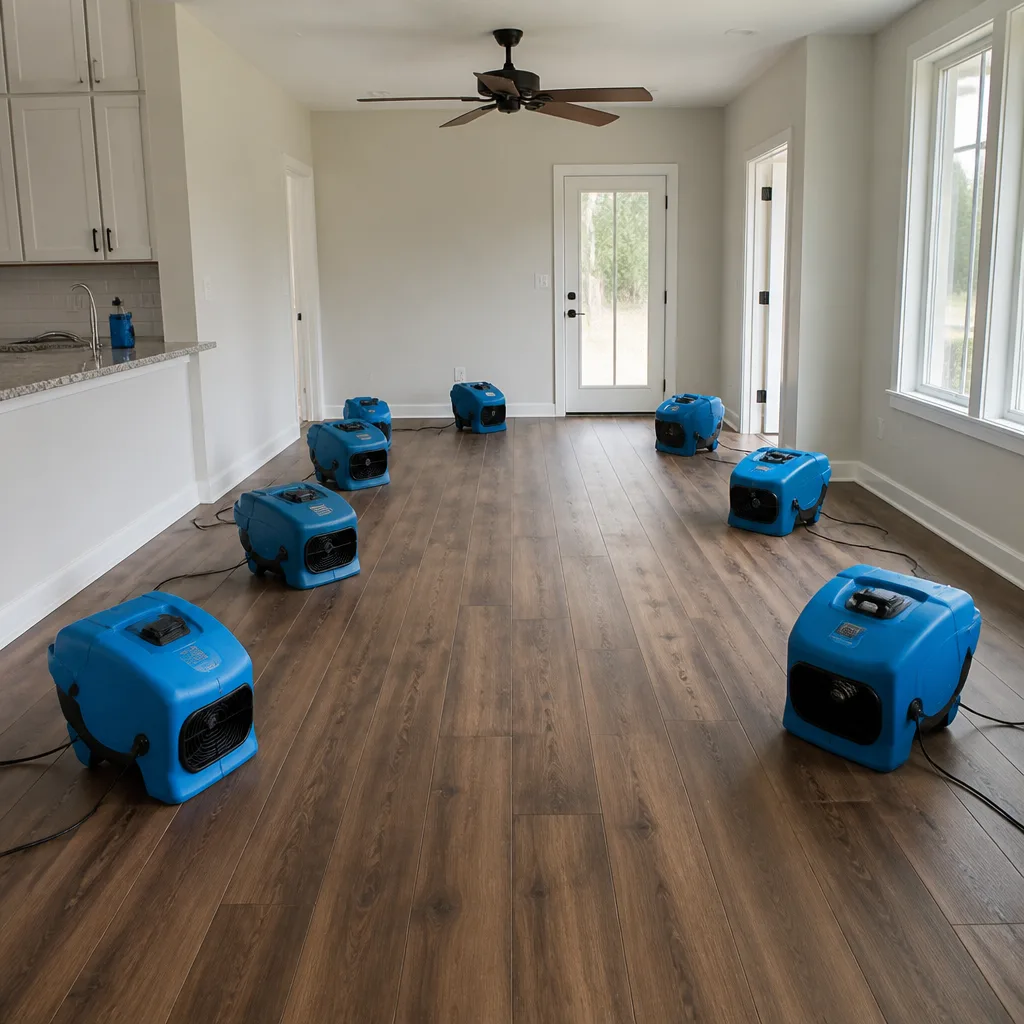 Water damage drying
 Fire & smoke cleanup
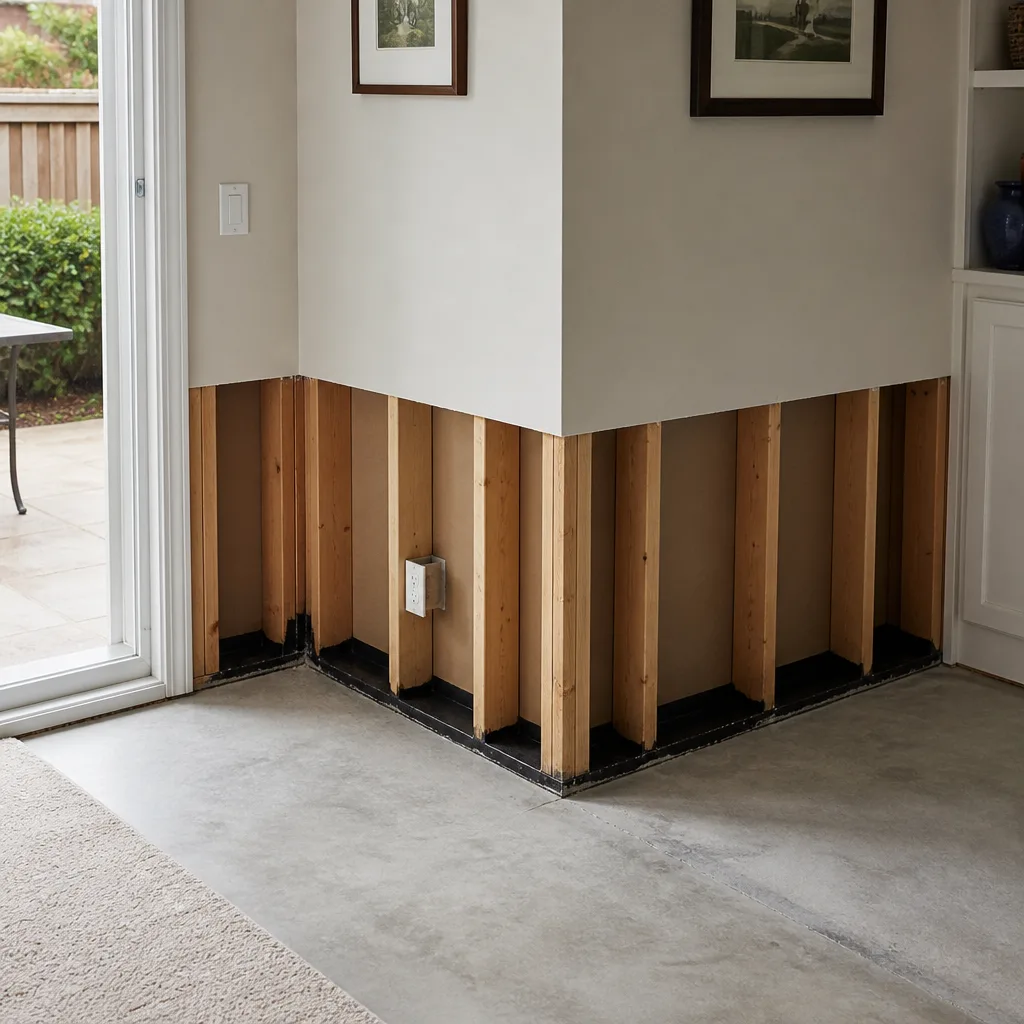 Mold remediation
 Storm response
 Sewage cleanup
 Reconstruction
Free visual inspection and a written scope of work before any mitigation begins - photos, moisture readings, and drying logs go in your claim file
The scope we write is the scope we bill. Anything new gets shown to you, in writing, before we touch it.
Get your free estimateDamage Restoration Permits, Codes & Inspections in FL: What You Need to Know
A Tampa homeowner who lets a contractor replace more than $500 of structural material without a permit can be held personally liable for the unpermitted work at resale, even if they never knew a permit was needed. That liability follows the property, not the contractor who disappeared six months after the job. It shows up at closing, when the buyer’s inspector flags the work, or worse, when an insurance claim gets denied because the carrier discovers the repairs were never inspected. This guide maps the two frameworks most restoration contractors never explain together: the Florida Building Code and the Florida Department of Health mold standards. By the time you finish reading, you will know exactly when a permit is required in Tampa, who must pull it, what each inspection covers, and how to verify the work was actually filed. For more guides & resources on protecting your home, see our blog.
Restoration work we handle
Quick Answer
In Florida, restoration work that replaces structural materials valued over $500, alters load-bearing components, or changes plumbing and electrical systems requires a building permit from your local jurisdiction. Mold remediation on projects over 10 square feet of affected area falls under Florida Department of Health standards that require a licensed mold assessor and a separate licensed mold remediator under most circumstances. Skipping either requirement can void your homeowner’s insurance coverage and create legal liability when you sell the home.
Table of Contents
- The Two Frameworks: Florida Building Code vs. DOH Mold Standards
- Permit Thresholds: The $500 Rule and Hillsborough County Amendments
- Mold Remediation Standards: When You Need Both an Assessor and a Remediator
- How to Verify a Permit on Your Own Address in Hillsborough County
- The Inspection Sequence for a Permitted Restoration Job
- How Unpermitted Work Affects Insurance and Home Resale
- Common Mistakes to Avoid
- When to Call a Professional
- Frequently Asked Questions
- The Bottom Line
The Two Frameworks: Florida Building Code vs. DOH Mold Standards
Most restoration contractors in Tampa can quote the Florida Building Code chapter and verse. Few can explain how Chapter 468 of the Florida Statutes, which governs mold assessment and remediation, overlaps with it. These are two different sets of rules with two different enforcement bodies. The Florida Building Code is enforced by local building departments, which in Tampa means Hillsborough County. The Department of Health mold standards are enforced through licensure boards and administrative penalties. A job can be fully permitted under the building code and still violate DOH mold standards, or vice versa. We see this confusion play out regularly on water damage restoration jobs in Tampa where a homeowner assumes the contractor’s building permit covers everything, only to learn the mold portion required separate licensing nobody mentioned.
The Florida Building Code governs the physical work: what materials you can use, how structures must be secured, what must be inspected. It applies to water damage restoration, fire damage restoration, and any structural rebuild. The DOH mold standards govern who may assess mold, who may remediate it, and what documentation must exist. They apply specifically to mold-related work, regardless of whether structural repairs are also needed. The key point for homeowners: a contractor can be a licensed building contractor and still not hold a mold remediator license. And a mold remediator cannot legally assess the mold problem they are being paid to fix, because that creates a financial conflict of interest. Florida law explicitly separates the two functions.
In practice, this means a restoration project that involves both structural repairs and mold remediation should have at least three credentials involved: the building contractor pulling permits, a licensed mold assessor writing the initial report, and a licensed mold remediator doing the mold work. Sometimes the contractor holds the mold remediator license as well, but they still cannot write the assessment. This is the piece most often skipped, and it is the piece that creates the most exposure for the homeowner.
Permit Thresholds: The $500 Rule and Hillsborough County Amendments
Under the Florida Building Code, a permit is required anytime the value of work exceeds $500 for repairs, alterations, or reconstruction of any building or structure. That number is easy to blow past. Replacing drywall in a single room after a water loss almost always exceeds $500 in material and labor. Replacing a section of subfloor, a few studs, insulation, and baseboards is routinely $2,000 to $4,000. When we scope fire damage restoration projects in Tampa, the material replacement alone frequently crosses the $10,000 mark. The $500 threshold is met quickly, and once it is met, the permit is not optional.
Hillsborough County enforces the Florida Building Code with local amendments. The county requires permits for all structural repairs, not just new construction. This includes:
- Replacement of drywall where the affected area exceeds 10 square feet
- Any replacement of structural framing: studs, joists, rafters, or trusses
- Any alteration to load-bearing walls, even if the repair is localized
- Replacement of electrical wiring or plumbing beyond fixture-level work
- Any roof repair that extends beyond the immediate flashing or shingle replacement
- HVAC duct replacement where more than one run is being redone
Hillsborough County also requires permits for what they classify as “repair of a building system.” If the water damage compromised the electrical panel, the plumbing manifold, or the HVAC air handler, the repair is a building system repair and requires both a permit and a licensed trade contractor for that portion. The county’s online permit portal lists application types specifically for residential repairs, and the fee schedule is based on the valuation of the work. For a typical $15,000 water restoration job in Tampa, the permit fee is usually in the $150 to $300 range. That cost is part of the written scope a contractor should be giving you before work starts, not a surprise line item at the end.
Mold Remediation Standards: When You Need Both an Assessor and a Remediator
Chapter 468, Part XVI of the Florida Statutes sets out the mold assessment and remediation rules that apply statewide. The threshold for regulated work is 10 square feet of visible mold growth. Below that, a homeowner can in theory clean the affected area themselves with soap and water, though we rarely recommend that when the source of moisture was a plumbing leak or roof leak that has been active for more than a few days. Above 10 square feet, the rules change significantly.
The first requirement is a mold assessment performed by a licensed mold assessor. The assessor writes a report that identifies the extent of the mold, the likely moisture source, and the scope of remediation needed. The assessor is independent. They are paid to tell you what is wrong. They cannot be the same company that then does the mold removal, because Florida law prohibits a company from assessing and remediating the same project. The second requirement is a mold remediator license for the company performing the cleanup. This is separate from a general contractor’s license, separate from a building permit, and separate from the IICRC certification that many restoration companies hold.
After the remediation is complete, the property should be post-tested by a different licensed assessor, or by the same assessor who wrote the initial report, depending on the circumstances. The post-remediation verification confirms the spore counts have returned to acceptable levels and the moisture source is resolved. For homeowners in Tampa hiring a mold remediation company, the key question to ask is: who is your licensed assessor, and can I see the assessment report before you start work? A company that cannot answer that question is not following Chapter 468.
We hold IICRC, RIA, and IFA credentials on our team, which cover the technical standards for water and mold restoration. But the Florida mold license is a separate legal requirement, and we have never seen a legitimate project skip it without consequences. The assessment report is your paper trail. It documents what was found, what was done, and what the follow-up testing showed. Insurance carriers and future buyers both ask to see that paper trail.
How to Verify a Permit on Your Own Address in Hillsborough County
You do not need to take a contractor’s word that a permit was pulled. Hillsborough County maintains a public online permit search tool that lets you look up permits by address, permit number, or parcel ID. It is free to use and takes about two minutes once you know where to look. Here is the step-by-step:
- Go to the Hillsborough County Building Services online permit search page.
- Enter your street address without the unit number first, then refine by parcel ID if you live in a condo or townhouse.
- Look for permits with a status of “Issued,” “Open,” or “Under Inspection.” A permit that shows “Open” means it was pulled but not yet finalized.
- Check the permit description. It should describe the work: “Water damage repair – drywall, insulation, flooring replacement” or similar.
- Verify the contractor name on the permit matches the company doing the work. If the permit lists a different company than the one in your living room, ask why.
- After the final inspection, the permit should show “Closed” or “Finaled.” That is what you want in the file at closing.
If there is no permit on file and the work has already been done, you can still request a post-construction permit. It is more expensive, requires opening up some of the finished work for inspection, and often requires the homeowner to hire a licensed contractor to complete the process. But it is better than selling a house with unpermitted work. Florida’s seller disclosure form asks specifically about unpermitted improvements and repairs. Leaving the answer blank because you did not know is still a misrepresentation in the eyes of most real estate attorneys.
The Inspection Sequence for a Permitted Restoration Job
A permitted restoration job in Tampa follows a defined inspection sequence. Understanding that sequence helps you know what is happening at each stage and what each inspection actually verifies. The typical sequence for a water or fire restoration permit looks like this:
- Rough-in inspection. After the damaged materials are removed and before new drywall goes up, the inspector checks the framing, electrical rough-in, plumbing rough-in, and any structural repairs. This is the inspection that catches improper materials, missing fire blocking, and wiring that does not meet current code.
- Insulation and vapor barrier inspection. In some jurisdictions, insulation must be inspected before drywall covers it. Hillsborough County generally rolls this into the rough-in inspection, but the inspector will note if the insulation type is wrong for the climate zone.
- Final inspection. After drywall, paint, flooring, and fixtures are complete, the final inspection confirms the work matches the approved scope, the electrical and plumbing fixtures function, and the space is safe for occupancy. This is the inspection that closes the permit.
- Mold clearance testing (separate from building inspection). If mold remediation was part of the project, the licensed assessor performs post-remediation verification. This is a separate process from the building department inspection and produces its own report.
Each passing inspection is documented. That documentation matters for two reasons. First, it proves the work met the code in effect at the time of the repair. Florida’s building code updates every three years, and repairs must meet the current standard, not the standard from when the house was built. Second, it establishes a clean record if an insurance claim is filed later for a related issue. An insurer looking at a prior water damage claim will want to see the permit, the inspection results, and the mold clearance report. Without them, the insurer has a valid basis to limit or deny coverage for any recurrence or related damage.
How Unpermitted Work Affects Insurance and Home Resale
Unpermitted restoration work has a way of surfacing years after the fact. The most common place it surfaces is at renewal time. Florida homeowners insurance carriers have become aggressive about inspecting properties after a water damage claim is filed. If the repairs from that claim were not permitted or inspected, the carrier may issue a notice of nonrenewal or add a material exclusions endorsement. In plain English: the next water loss might not be covered because the carrier found the prior work was not done to code.
The second place unpermitted work surfaces is at resale. Florida’s seller disclosure is a legal document. The standard form asks whether the seller has knowledge of any improvements or repairs made without a required permit. If you answer no, and the buyer later discovers unpermitted work through their own inspection or permit search, you can be sued for fraudulent nondisclosure. Florida law allows the buyer to recover damages, which can include the cost of bringing the work up to code, plus attorney’s fees. In practice, the buyer’s demand usually exceeds the cost of just getting the permit retroactively.
The third place it surfaces is in a refinance. Appraisers and underwriters are not looking for unpermitted restoration work specifically, but they do pull permit history on older homes when the age of the improvements does not match the age of the house. A 2002 home with brand-new plumbing, drywall, and fixtures in the lower half, and no permits on file, raises a red flag that can stall or kill a refinance.
Our approach at Tidemark Water Damage Tampa is to file the permit as a standard part of the written scope, not an optional add-on. The permit fee, the inspection schedule, and the name of the county inspector all appear in the written price before any work starts. That is what “written price first” means in practice: the number you agree to includes the legal work, not just the physical work.
Common Mistakes to Avoid
- Assuming the contractor’s word on permits is enough. We have seen too many Tampa homeowners believe a permit was filed because the contractor said it was, only to learn at resale that no permit existed. Always verify through the Hillsborough County portal yourself. It takes two minutes.
- Letting the same company assess and remediate mold. Florida law prohibits this for good reason. A company that is paid to remove mold has every incentive to find mold. Hire a licensed independent assessor, then hire a licensed remediator. That is the legal structure Chapter 468 requires.
- Accepting a verbal estimate for structural work. In Florida, any structural repair over the $500 threshold requires a written contract with a scope of work. A verbal quote is not a scope. If the contractor will not put the scope in writing, walk away.
- Skipping the permit because the insurance claim is “already messy.” Some contractors tell homeowners that permits slow down the insurance process. The opposite is true. A permitted job with a final inspection result is much easier to document for your insurer, and it protects you if the carrier audits the claim later.
- Treating a mold clearance report as optional. A mold remediation job without post-remediation verification is incomplete. The follow-up air sampling is the only objective way to prove the mold levels are back to acceptable ranges, and it is the document your insurer and future buyer will ask for.
- Paying the final invoice before the permit is closed. A contractor can walk off the job with an open permit, and the permit stays tied to your address. Hold back final payment until you can see the permit status as “Closed” or “Finaled” on the county portal.
When to Call a Professional
Some damage restoration projects are genuinely DIY-appropriate: a small plumbing leak caught within hours, a patch of drywall that dried completely with fans, a section of flooring that needs replacing in a properly ventilated single room. For a deeper look at when to handle it yourself, read our DIY vs Professional Damage Restoration: The Tampa Homeowner’s Decision Guide. But most water and fire restoration in Tampa crosses into territory where professional help is not just faster, it is legally required. You should call a licensed restoration contractor when the damaged area involves any structural framing, any electrical or plumbing beyond a fixture replacement, any mold visible over 10 square feet, any fire damage that involved the electrical system, or any situation where the water sat for more than 48 hours. We also recommend calling before you sign anything with an emergency mitigation company you found online at 2 a.m. Tidemark Water Damage Tampa offers free estimates in Tampa – call (850) 828-8896 and you will get a real person, a written scope, and a clear answer on whether the work requires a permit before you commit to anything.
Frequently Asked Questions
Yes, if the work exceeds $500 in value, involves structural materials like framing or subfloor, or alters plumbing, electrical, or HVAC systems. Most water damage restoration projects in Tampa exceed that $500 threshold quickly, so the practical answer is: almost always. Call (850) 828-8896 if you want a straight answer on your specific situation before any work begins.
Mold remediation does not require a building permit in Florida, but it does require compliance with Chapter 468 of the Florida Statutes. That means a licensed mold assessor must assess the mold first, a separate licensed mold remediator must perform the cleanup, and post-remediation verification testing must be completed. A building permit may also be required if structural materials are being removed and replaced as part of the mold remediation.
In Florida, the contractor is legally required to pull the permit for work they perform. If a contractor suggests the homeowner should pull the permit to save money or avoid contractor responsibility, that is a red flag. For help vetting contractors, see How to Hire a Damage Restoration Contractor in Tampa: A Step-by-Step Guide. The permit is tied to the contractor’s license. A homeowner pulling a permit for a contractor exposes the homeowner to liability for workmanship and code violations.
Use the Hillsborough County online permit search tool. Enter your address and look for permits with a status of “Issued,” “Open,” or “Under Inspection.” Check that the contractor name on the permit matches the company doing the work. After the final inspection, the permit should show “Closed” or “Finaled.” If it does not, call the contractor and hold back final payment until it does.
Most homeowners insurance policies in Florida cover permit fees and inspection costs as part of a covered loss, but only if they are documented as part of the restoration scope. We photograph everything, document the permit application, and include the permit cost in the claim package we provide to your adjuster. Direct adjuster coordination is part of how we work, and the photo documentation we take before the crew leaves supports the claim.
You are required to disclose unpermitted work on the Florida seller disclosure form. If you do not disclose it and the buyer discovers it, you can be sued for fraudulent nondisclosure and held liable for the cost of bringing the work up to code. The cleaner path is to pull a post-construction permit before listing the home. It costs more than the original permit, but it clears the title and avoids the lawsuit.
The Bottom Line
Florida’s restoration permit and code requirements are not optional, and ignorance of them does not protect you. The $500 threshold under the Florida Building Code is crossed by almost every restoration project we see in Tampa. The Chapter 468 mold standards create a separate legal requirement for licensed assessment and remediation whenever mold exceeds 10 square feet. Verifying permits through Hillsborough County’s online portal, holding back final payment until the permit closes, and keeping the mold clearance report with your closing documents are three simple habits that protect you at resale, at insurance renewal, and at every point in between. The written price you agree to should include the legal work. If it does not, the eventual cost is yours, not the contractor’s.
Written by Rick Sumner, Owner at Tidemark Water Damage Tampa, serving Tampa since 2006.
See the difference
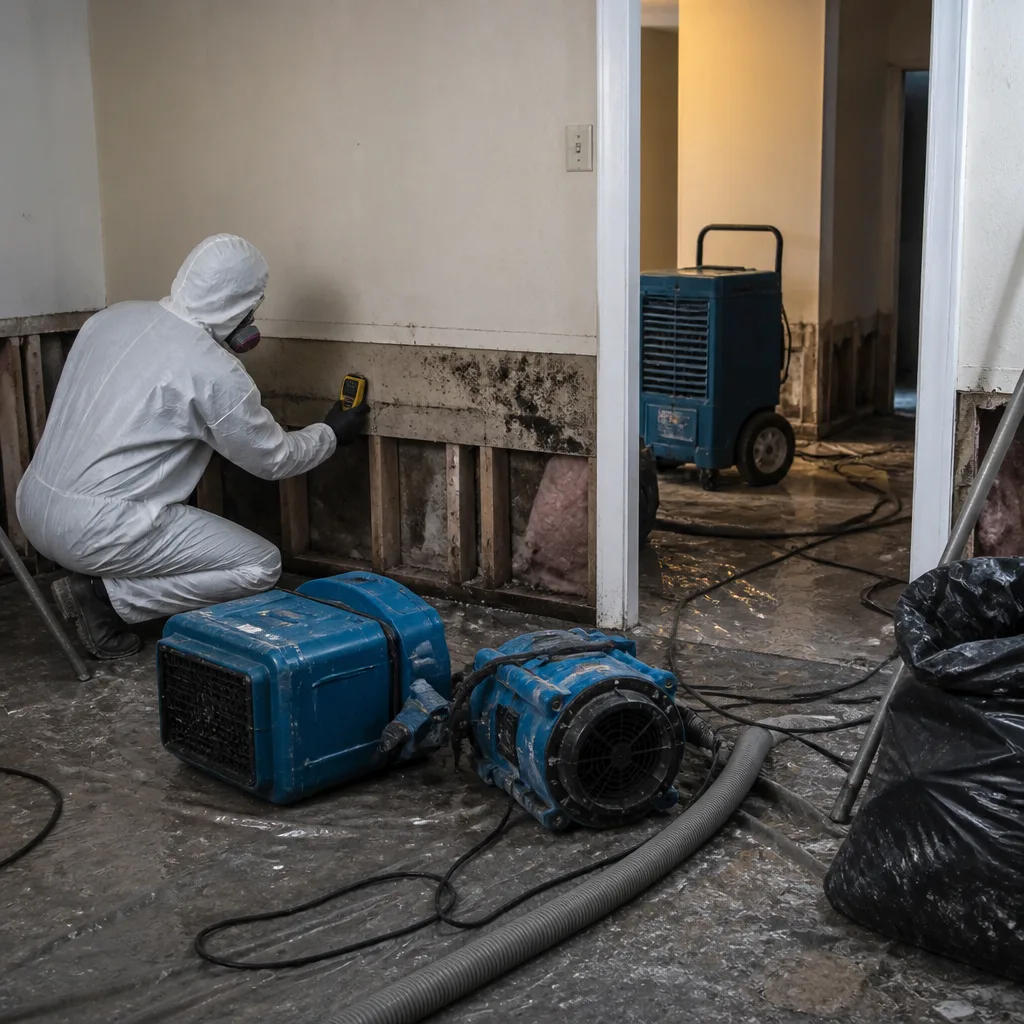 Before
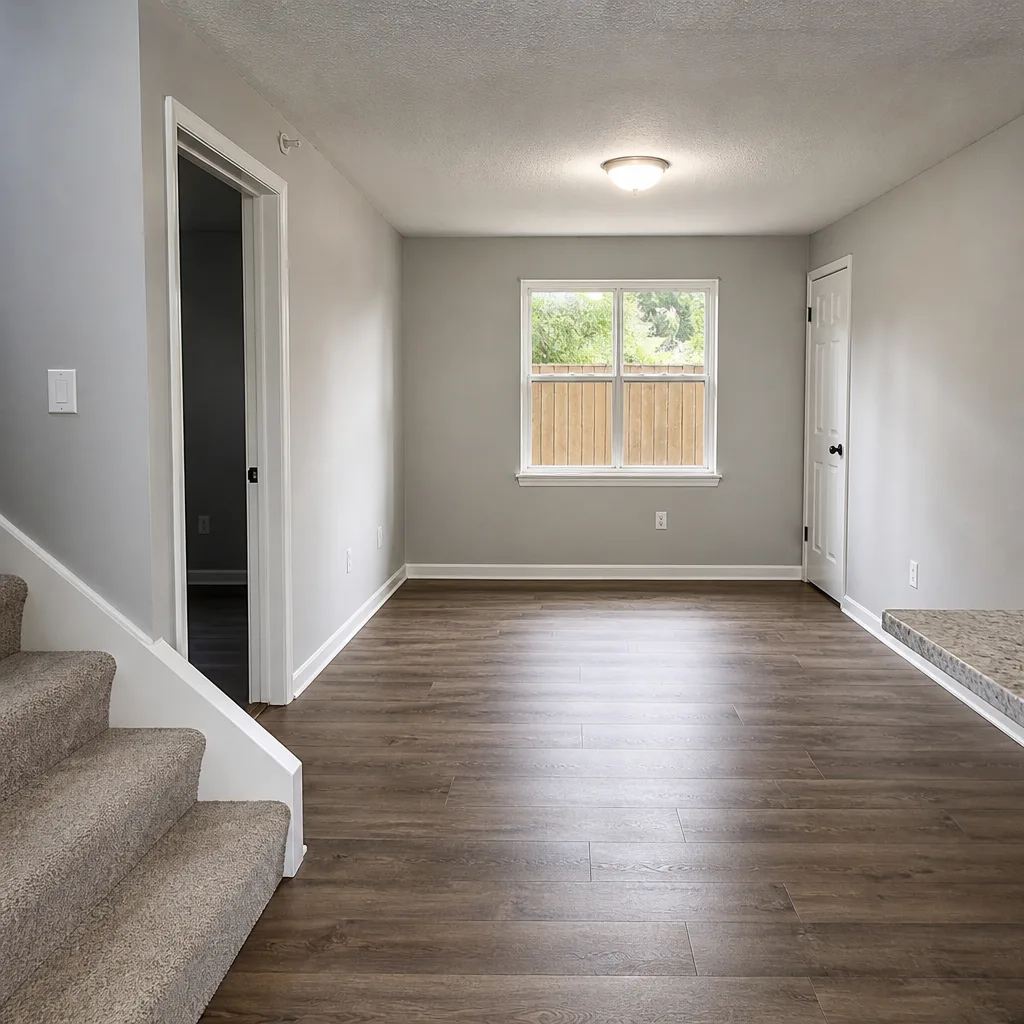 After
After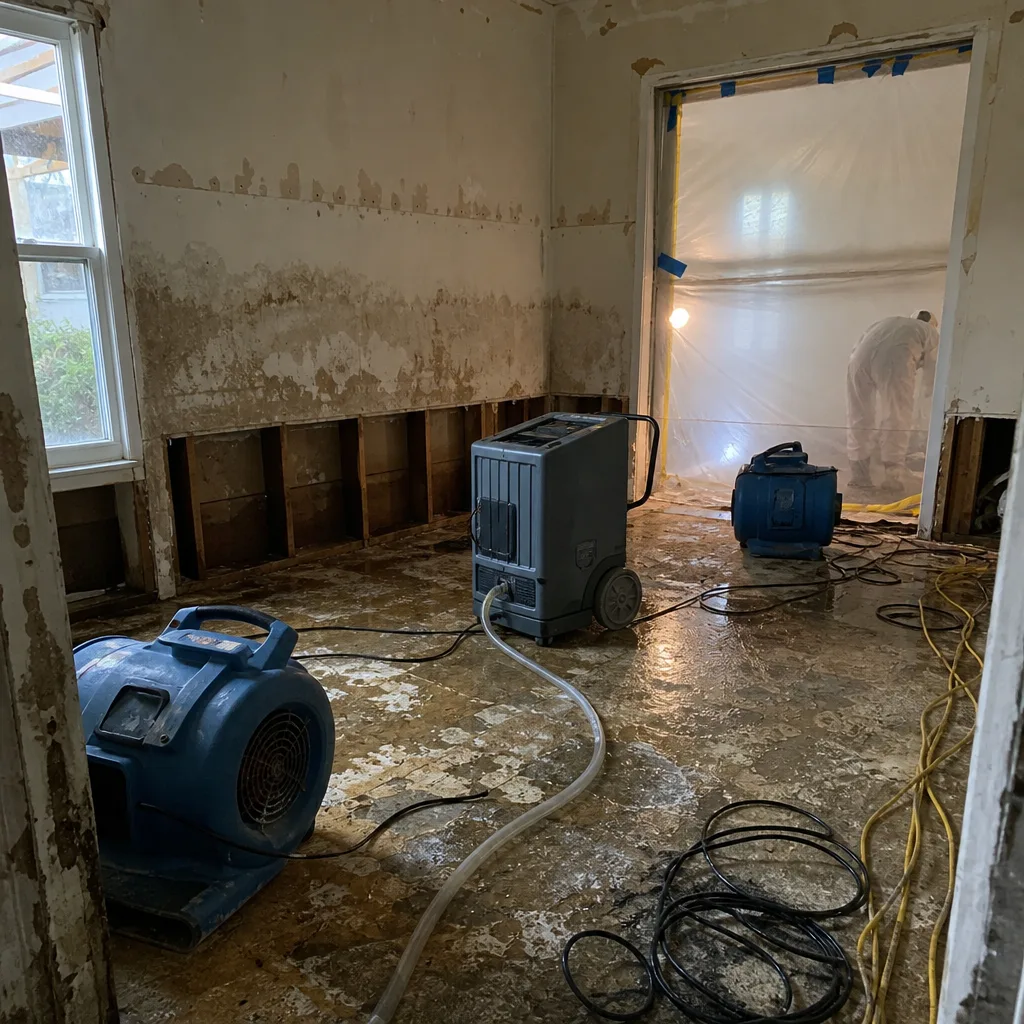 Before
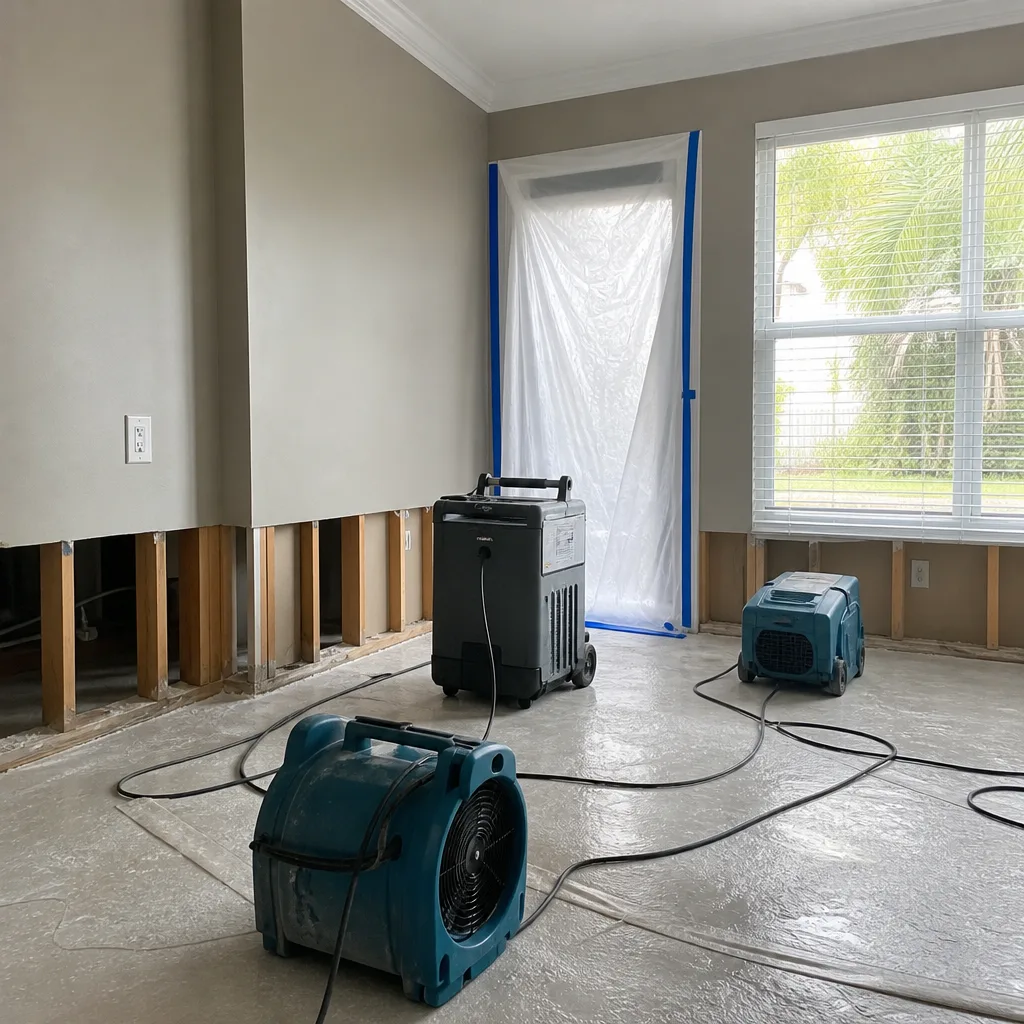 After
After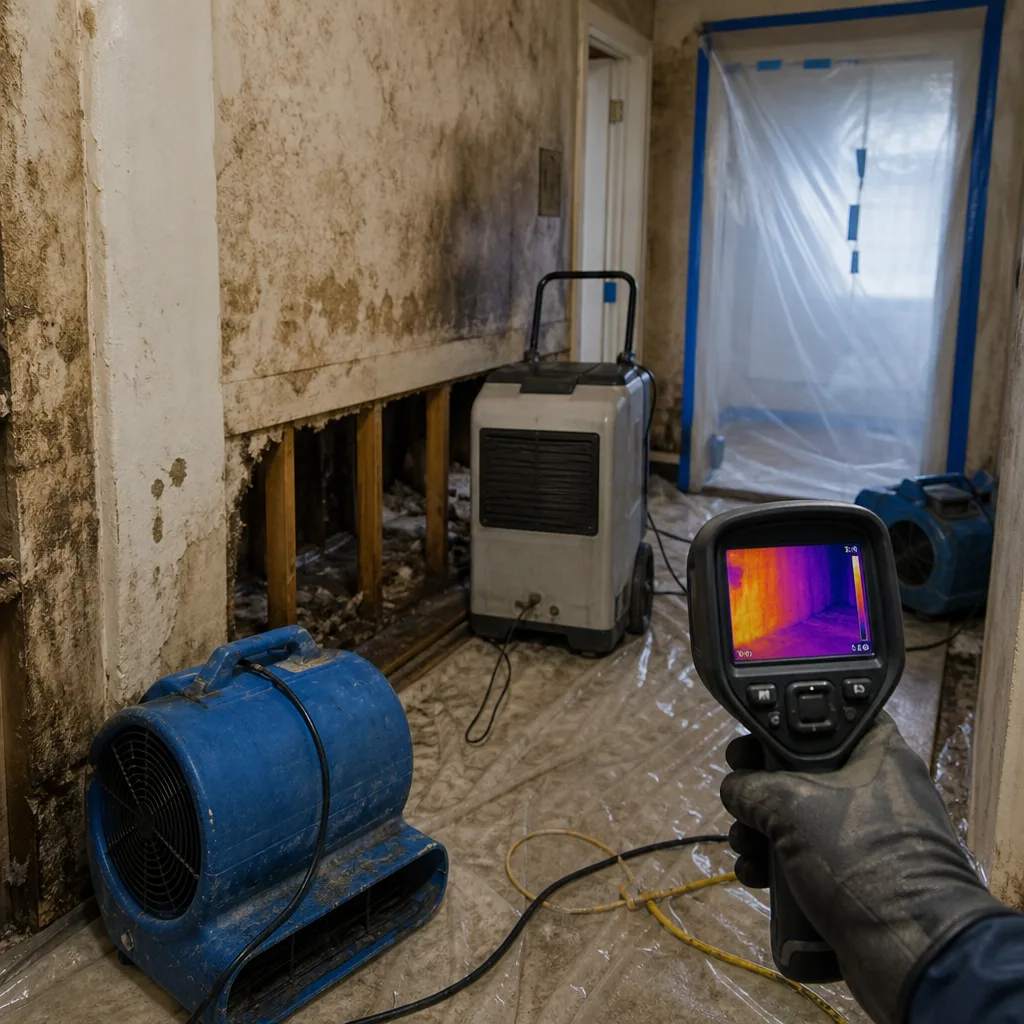 Before
 After
After