
Last updated October 16, 2026
 Water damage drying
 Fire & smoke cleanup
 Mold remediation
 Storm response
 Sewage cleanup
 Reconstruction
Free visual inspection and a written scope of work before any mitigation begins - photos, moisture readings, and drying logs go in your claim file
The scope we write is the scope we bill. Anything new gets shown to you, in writing, before we touch it.
Get your free estimateDamage Restoration Cost Breakdown: The Tampa Homeowner’s Reference for 2026
The average national cost estimate for water damage restoration is $3,000 – $7,000. In Tampa, a category 2 water loss in a 1,400-square-foot slab home with original 1985 drywall routinely lands between $9,400 and $14,200, because drying time in 80% relative humidity is not the same as drying time in Denver. This guide breaks down what restoration actually costs in Tampa in 2026, using local labor rates, Hillsborough County permit fees, and Florida humidity drying timelines as the inputs, not national averages. You’ll learn the four most common damage scenarios, what drives the price up or down, how insurance fits in, and where short-term savings quietly become long-term losses.
Restoration work we handle
Quick Answer
Water damage restoration in Tampa typically costs between $2,100 and $14,200 depending on the source, the square footage affected, and how long the water sat before extraction began. Mold remediation runs $1,800 to $9,000 for most Tampa homes, while fire damage restoration ranges from $4,500 to $40,000. These figures come from local labor rates, Florida’s humidity-driven drying times, and Hillsborough County permit requirements, not from national cost calculators.
Table of Contents
- Why National Averages Get Tampa Wrong
- Cost by Scenario: Four Tampa Situations, Priced Locally
- The Humidity Factor: Drying Days and What They Cost
- The Written-Price-First Model: Your Cost Control Mechanism
- Insurance Reimbursement Realities in Florida
- Permitted vs. Unpermitted Work: The Resale Cost
- Common Mistakes to Avoid
- When to Call a Professional
- Frequently Asked Questions
- The Bottom Line
Why National Averages Get Tampa Wrong
National restoration cost data lumps together Iowa basement seepage, Arizona dishwasher overflows, and California wildfire smoke damage into one number. That number does not describe your house. A Tampa slab home has no basement, sits at or near sea level with a high water table, and bakes in 80% relative humidity for six months of the year. Drywall installed before the 1990s in Tampa holds moisture differently than modern gypsum board, and the difference between a 1940s bungalow in Seminole Heights and a 2006 stucco home in Westchase matters more to your bill than any national average will tell you.
Local labor rates also diverge. Tampa restoration technicians certified through IICRC, RIA, and IFA command wages in line with Florida’s post-2022 construction labor market, not the Midwest rate you’ll find in a generic calculator. Add Hillsborough County permit fees for structural repairs, which run higher than in many counties without Tampa’s coastal building code amendments, and you start to see why a “national” estimate of $5,000 can arrive as an $11,000 invoice in Tampa.
Cost by Scenario: Four Tampa Situations, Priced Locally
1. AC Condensate Overflow (Contained, Single Room)
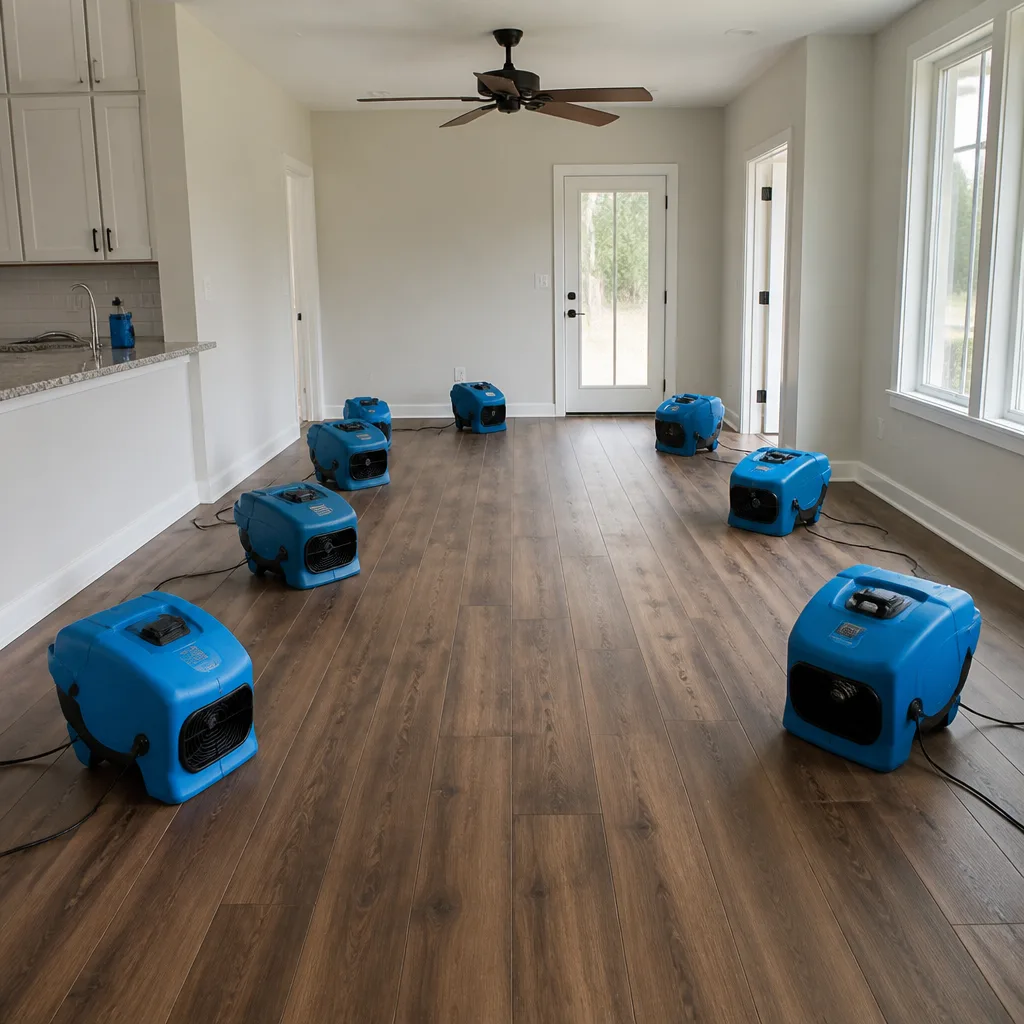
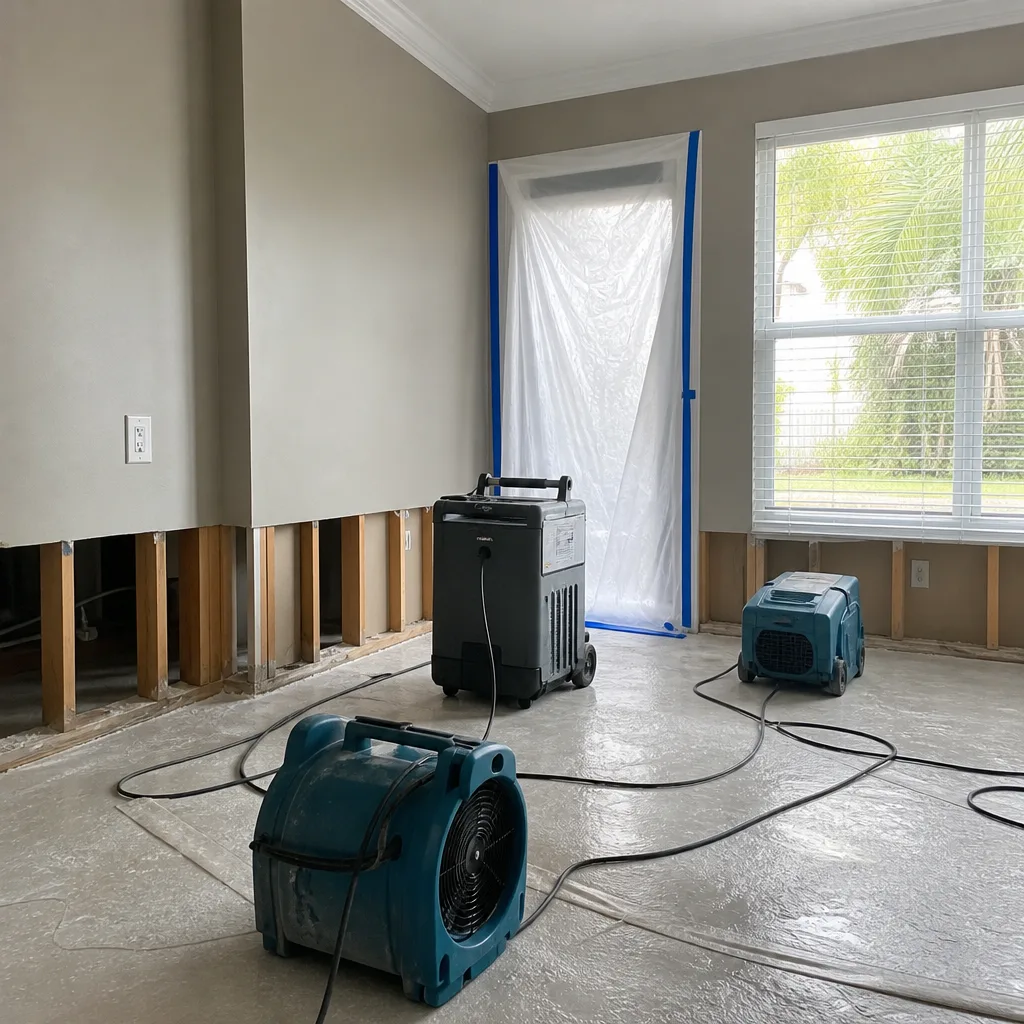
This is the most common call we see in Tampa between May and October. When an AC condensate line clogs in a slab home, the water backs up and spills into the hallway or a closet near the air handler. If you catch it within 24 hours and the water stayed on tile or vinyl plank, the scope is usually extraction, one or two air movers from XPOWER or B-Air for 48 – 72 hours, a dehumidifier rental, and a minor drywall patch if the wall wicked water at the base.
- Typical Tampa range: $2,100 – $4,300
- Primary cost drivers: how far the water traveled under the baseboards, whether the AC closet shares a wall with a bedroom
- Timeline: 2 – 3 days of drying, no permit required
2. Bathroom Supply Line Burst (One Room, Some Wicking)
A braided steel supply line that fails behind a toilet or under a sink releases 2 – 5 gallons per minute until someone shuts the valve. If that someone is at work, you’re looking at hours of flow, not minutes. In a second-floor bathroom this means ceiling damage in the room below. In a first-floor bath, water travels under the tile and into the adjacent carpet or hallway. Tampa homes built before 1990 often have particle board subfloor in bathrooms, and that material swells and crumbles once saturated.
- Typical Tampa range: $5,800 – $9,200
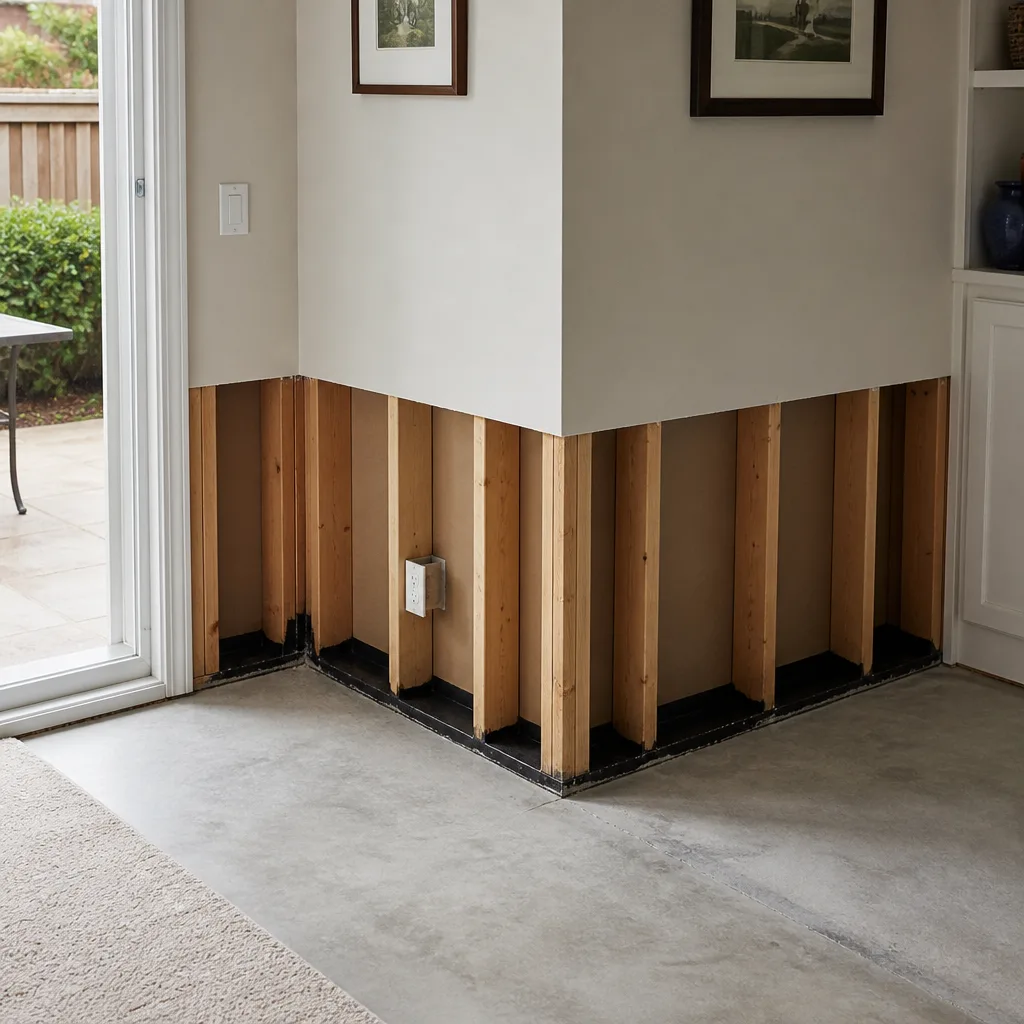
- What’s included: extraction, demolition of saturated drywall and baseboards, subfloor inspection, 3 – 5 days of drying with a Phoenix desiccant or large refrigerant dehumidifier, anti-microbial application, reconstruction of the removed drywall
- Timeline: 5 – 7 days including rebuild
3. Roof Penetration from a Tropical Storm (Multi-Room, Ceiling and Insulation)
When a summer squall tears a few shingles loose and water follows the trusses into the attic, you won’t see the damage until a brown ring appears on the living room ceiling. By that point, the insulation above that ceiling is holding water like a sponge, and the moisture has had days to spread. This is the scenario where Tampa’s climate hits hardest: the attic is hot, the air is wet, and mold becomes viable within 48 – 72 hours of the intrusion.
- Typical Tampa range: $9,800 – $18,500 depending on roof area affected and how many rooms below need ceiling replacement
- Line items often missed by national calculators: blown-in insulation removal and replacement, attic ventilation improvement to prevent recurrence, full ceiling repaint for a seamless match
- Timeline: 7 – 14 days, permit pulled through Hillsborough County for the roof repair if structural sheathing is replaced
4. Slab Leak Under Kitchen or Bath (Foundation Contact)
A pinhole leak in copper piping embedded in the slab is the most expensive and most misquoted restoration scenario in Tampa. Water rises through the slab, saturating the tile, the grout, the base cabinets, and the walls for weeks or months before the homeowner notices a warm spot on the floor or a water bill that doubled. This is not a drying job; it is a reconstruction job with a drying phase.
- Typical Tampa range: $12,000 – $26,000 or more depending on line location and cabinet damage
- What you’re paying for: leak detection (acoustic or thermal), jackhammer or saw-cut access to the slab, pipe rerouting or splice repair, slab patch and curing time, drying of the slab edge, cabinet and flooring replacement, permit fees
- Timeline: 2 – 4 weeks with permit inspection
For a broader look at what our crews handle on Water Damage Restoration in Tampa, the scenario breakdown above is a good starting point for understanding scope.
The Humidity Factor: Drying Days and What They Cost
In Denver or Phoenix, a water loss dries in 48 hours with minimal equipment. In Tampa, the same water loss needs 4 – 6 days of active drying because the outside air feeding the dehumidifier is already 70 – 80% saturated. Every additional drying day costs you equipment rental and labor: a single large refrigerant dehumidifier runs roughly $75 – $125 per day in rental cost alone, and a multi-room job needs two of them plus four to six air movers.
What does that mean in dollars? Take the same category 2 water loss in a 300-square-foot room. In a dry climate, 2 days of drying = about $950 in equipment and monitoring labor. In Tampa in August, 5 days of drying = $2,400 or more. Now add the Tampa-specific risk that waits for you if drying is cut short: moisture left in the wall cavity migrates into the framing, and the wood develops fungal growth that no amount of primer will hide. The tide mark, the line water leaves on a wall, is the first thing our technicians look for on every job, and in Tampa it is often two feet higher than the homeowner expects.
We use professional-grade drying equipment from Dri-Eaz, Phoenix, XPOWER, B-Air, and Injectidry. These machines are configured to the specific vapor pressure of the house, not set to a default timer. That is the difference between “dry enough” and dry past the tide mark.
The Written-Price-First Model: Your Cost Control Mechanism
The single most effective way to control restoration cost in Tampa is to demand a written price before the first piece of equipment comes off the truck. Not an estimate with room to grow, but a not-to-exceed scope that lists exactly what will be done at exactly what price, with change orders required in writing for anything outside that scope.
A written price should include:
- A line item for every phase – extraction, demolition, drying, anti-microbial, reconstruction. If a phase is missing, a supplement is coming later.
- The specific equipment and estimated drying days – you should see how many dehumidifiers, how many air movers, and how many days you are paying for.
- The square footage of affected material to be removed and replaced – not a vague “drywall as needed.”
- Exclusions listed explicitly – what the price does not cover, so nothing is a surprise.
- The payment schedule tied to milestones – not a large upfront deposit with no defined deliverables.
At Tidemark Water Damage Tampa home, every job starts this way. The written price is delivered before any work starts, always, with no exceptions. We explain the price before the work, so you know what you’re paying for and why. The most common post-hoc add-ons in this industry are “expedited drying,” “additional anti-microbial treatment,” and “flooring removal discovered to be necessary” – all three should have been visible in the first written scope if the initial assessment was thorough. If a contractor cannot name these line items before starting, that is the tell.
Insurance Reimbursement Realities in Florida
Florida insurance claims for water damage are processed under different rules than in most states, thanks to the legislative response to the state’s claim volume. What this means for a Tampa homeowner is a persistent gap between what the adjuster approves and what a qualified restoration company invoices. That gap is not theoretical: on a $9,000 bathroom supply line burst, adjuster-approved estimates in the Tampa market have been landing $1,800 – $3,200 below contractor invoices in recent years, depending on the carrier and the policy’s water damage endorsement.
The factor that most shrinks the gap is documentation. Photos before demolition. Photos during. Moisture readings from the first day and every day after. A written drying log. The adjuster is not in your house watching; they are reviewing what a claims processor sees on a screen. When a restoration company hands you a photo-documented record of everything that was found and everything that was done, the supplement process has evidence behind it instead of assertion.
We take a photo of the clean-up and share it before the crew leaves, so you see exactly what was done and how it was left. For an insurance claim, we coordinate directly with your adjuster, and every invoice line is supported by a photo and a reading. Mold remediation is a separate line on most Florida policies, and Mold Remediation in Tampa work is often reimbursed under a capped remediation endorsement rather than the general water damage coverage. Ask your agent what your mold cap is before you need it, because that number can be $5,000 or $10,000, and remediation work in a slab home with high humidity does not wait for a policy review.
Permitted vs. Unpermitted Work: The Resale Cost
The cheapest restoration contractor in Tampa is often the one who skips the Hillsborough County permit on structural or slab work-a decision you may regret if you’re weighing DIY vs professional restoration. The savings look real on the invoice: $400 – $900 in permit fees avoided, plus a few days of inspection time skipped. What you do not see until you sell the house is the buyer’s inspection report noting unpermitted work, the seller disclosure you now have to complete honestly, and the title company asking for the permit history.
Unpermitted restoration work on a slab leak or structural ceiling repair becomes a negotiating weapon for the buyer on the other side of the table. The discount they extract is rarely less than the cost the permit would have been, and it is paid under time pressure at closing. A $700 permit skipped at restoration becomes a $7,000 – $15,000 concession at sale. If the work was done correctly, the permit history is a selling point, not a liability. If it was not, you are discovering it years late in the most expensive possible moment.
Common Mistakes to Avoid
- Accepting a national cost calculator as a local quote. Those tools cannot account for Tampa humidity, slab foundations, or Florida building code. Use them for a rough sense of scale, then get a written price from a licensed local contractor.
- Letting a “free inspection” become an unlicensed sales pitch. A technician who spends more time discussing financing than moisture readings is not assessing your home; they are closing a deal. Ask for readings, not narratives.
- Cutting the drying time short to save money. In Tampa’s climate, under-drying a wall by one day is how mold becomes a remediation project three weeks later at three times the original scope.
- Skipping the written scope because it feels awkward to ask. The awkwardness of asking for a written price is shorter than the dispute over an invoice you never agreed to.
- Not checking whether your insurance policy has a mold cap. Many Florida policies do, and the cap is often far below what remediation costs once mold has spread past one wall cavity.
- Filing the claim before the source of the water is identified. An adjuster who arrives while water is still actively leaking sees a “maintenance issue,” not a “sudden and accidental discharge.” Know the source before the call.
- Treating a slab leak like a plumbing job only. The plumber fixes the pipe; the restoration contractor dries the slab and rebuilds the floor. One without the other leaves moisture under your tile, and in Tampa that moisture will make itself known.
When to Call a Professional
Call a professional when water has touched drywall, baseboards, or flooring and you cannot completely dry the area within 24 hours with fans and a towel. Call immediately if the water came from outside (roof, storm, flood) or from a sewage-backed line, because that water carries contaminants that drying alone does not remove. Call if you smell must, see discoloration spreading on a wall, or notice a water bill that climbed without explanation, because those are the slow signals of a leak you cannot see. Call if you have had a fire, even a small kitchen fire, because smoke and soot particles embed into paint and textiles in ways that household cleaning will not reverse. Tidemark Water Damage Tampa offers free estimates in Tampa, call (850) 828-8896.
Frequently Asked Questions
Water damage restoration in Tampa runs from $2,100 for a contained single-room condensate overflow to $26,000 or more for a slab leak that has saturated flooring and cabinets over weeks. The mid-range bathroom supply line burst, the most common scenario we see, lands between $5,800 and $9,200. Tampa’s humidity adds drying time and equipment rental that national calculators do not factor. Call (850) 828-8896 for a written price on your specific loss, no charge for the estimate.
Tampa restoration costs are higher because the city’s 80% relative humidity adds 2 – 4 days of equipment-driven drying time to every water loss, and those extra days mean extra dehumidifier and air mover rental at $75 – $125 per day per unit. Slab foundations, common in Tampa, force water upward through tile and cabinets rather than down into a drainable basement. Add Hillsborough County permit requirements for structural repairs and Florida’s competitive construction labor market, and the local price diverges from national averages by 30% to 60% on many jobs.
Most Florida homeowners’ policies cover sudden and accidental water damage from supply line bursts, roof leaks, and appliance failures, subject to your deductible and any water damage endorsement limits. Flooding from outside (storm surge, rising water) is not covered by a standard policy and requires separate flood insurance. Tampa homeowners should expect an adjuster-approved amount that may run $1,800 – $3,200 below a contractor invoice on mid-sized jobs, and the single best way to reduce that gap is photo documentation and a written drying log from day one.
A crew can typically arrive within hours in Tampa, not days, because water damage compounds with every hour it sits in Florida humidity. Live phone support is available 24 hours a day, 7 days a week at (850) 828-8896, always answered by a real person. The faster extraction starts, the less drywall and flooring you lose to wicking.
A written restoration estimate should include line items for every phase (extraction, demolition, drying, anti-microbial, reconstruction), the specific equipment and drying days you are paying for, square footage of material to be removed and replaced, explicit exclusions, and a milestone-based payment schedule. If a Tampa contractor cannot produce a not-to-exceed scope before work starts, expect supplements later. The written price should be in your hands before any equipment comes off the truck.
Mold will not come back if the moisture source is fully eliminated, the affected materials are removed or properly dried, and the humidity in the home is brought under control. In Tampa, that last piece matters more than anywhere: a home at 65% indoor humidity can regrow mold in weeks even after professional remediation. For more detail on how we handle this, see Mold Remediation in Tampa. After a Fire Damage Restoration in Tampa job, smoke odor and soot require separate treatment from moisture; never assume one contractor’s water crew is equipped for both.
The Bottom Line
Tampa restoration costs are what they are because the city’s climate, housing stock, and permitting rules set them. A $3,000 national average is not your number. Your number comes from the source of the water, the square footage it reached, and how many days of humidity-fed drying it takes to get the house dry past the tide mark. Get a written price first. Document everything. Check your mold cap. Pull the permit. For more guides & resources on protecting your Tampa home, explore our blog. The short-term savings from cutting any of those corners in Tampa are almost always recovered later, at a premium, either by the mold that returns or the buyer who walks away.
Written by Rick Sumner, Owner at Tidemark Water Damage Tampa, serving Tampa since 2006.
See the difference
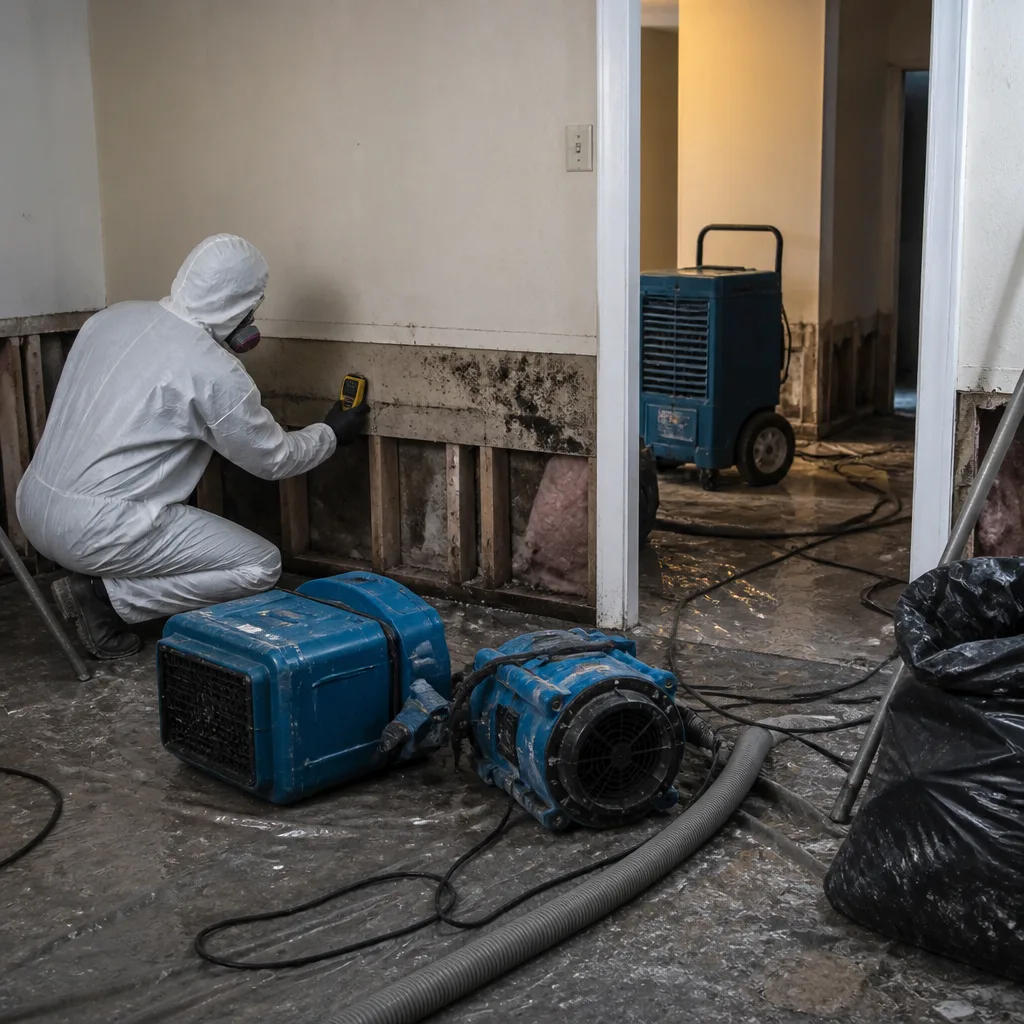 Before
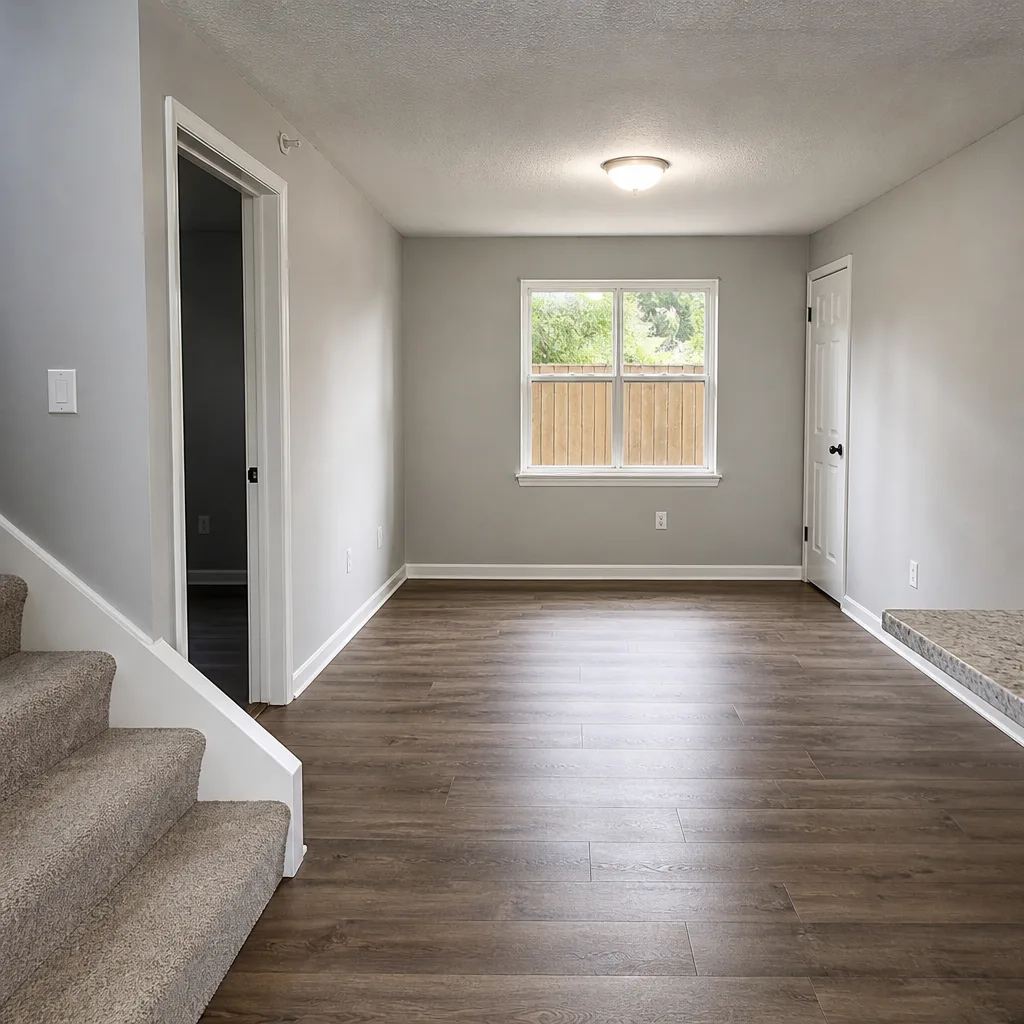 After
After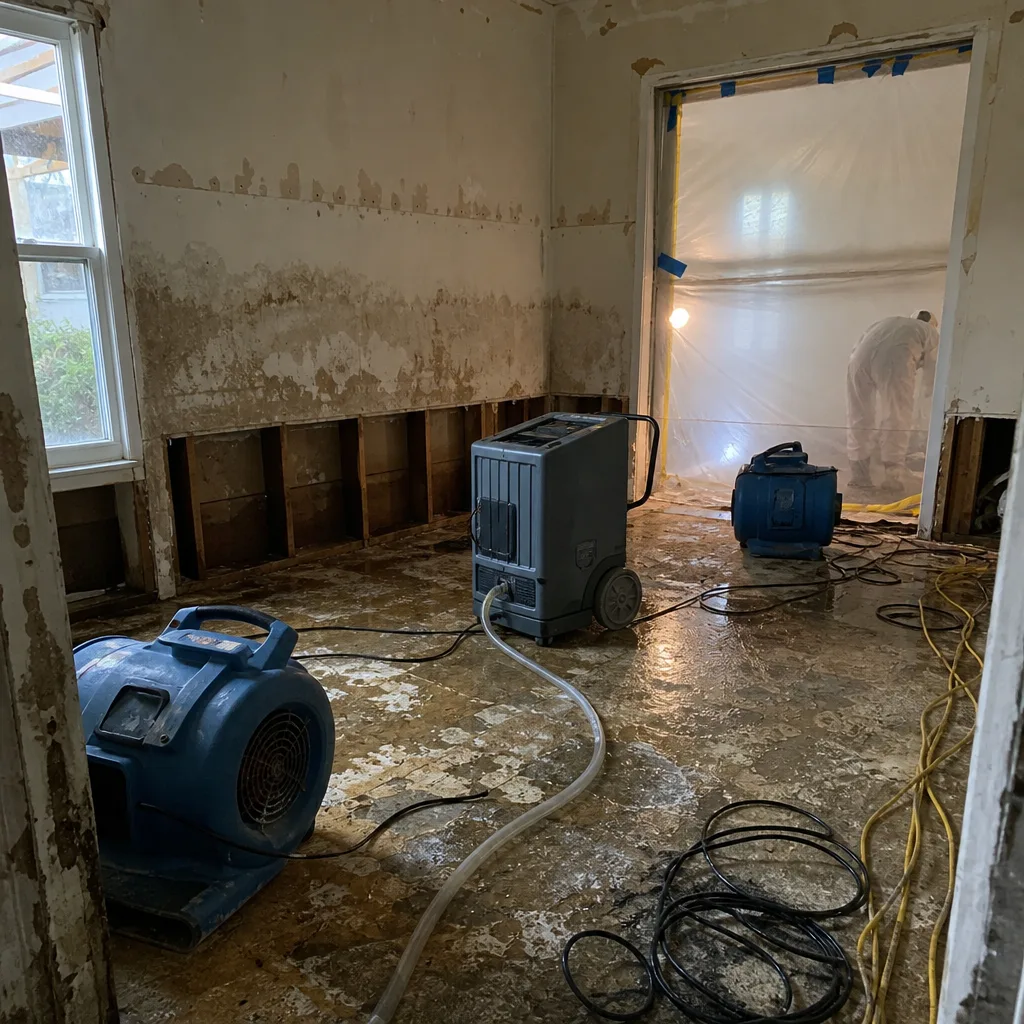 Before
 After
After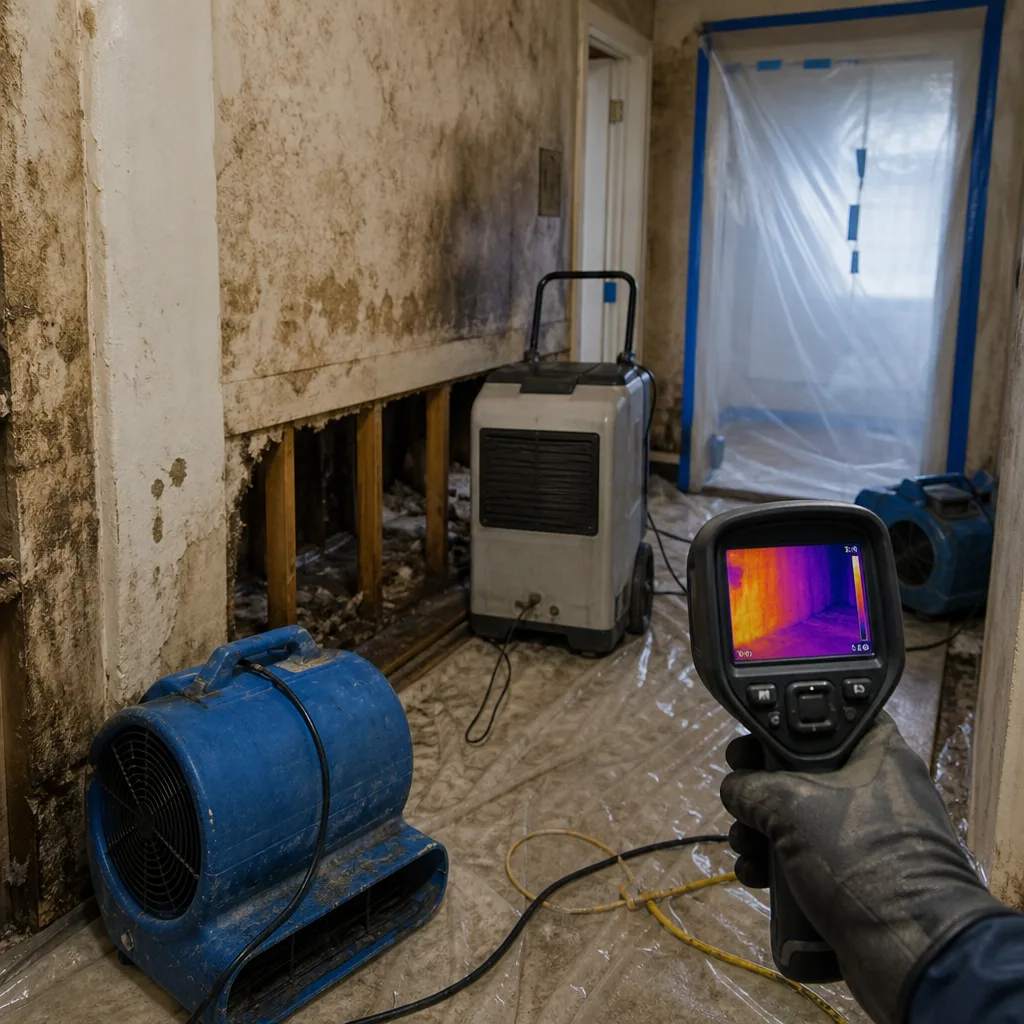 Before
 After
After