
Last updated October 16, 2026
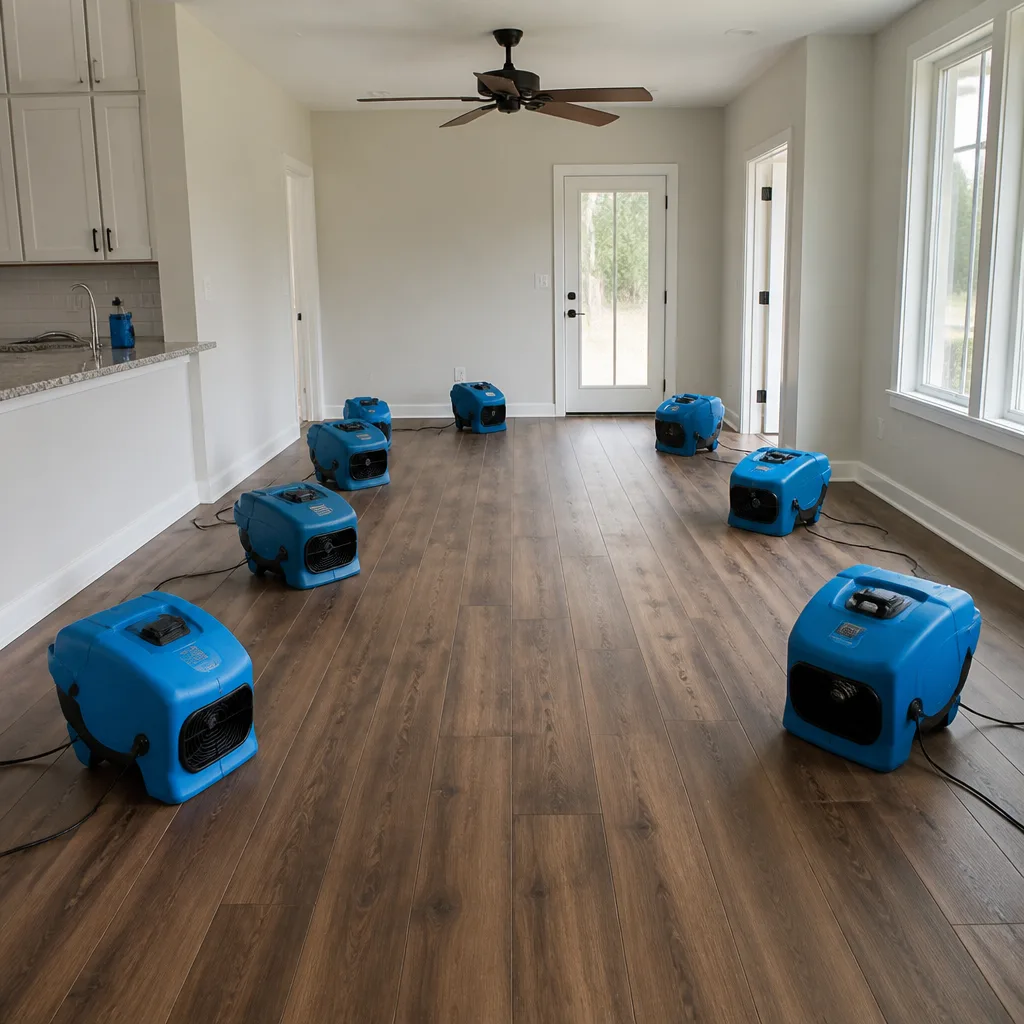 Water damage drying
 Fire & smoke cleanup
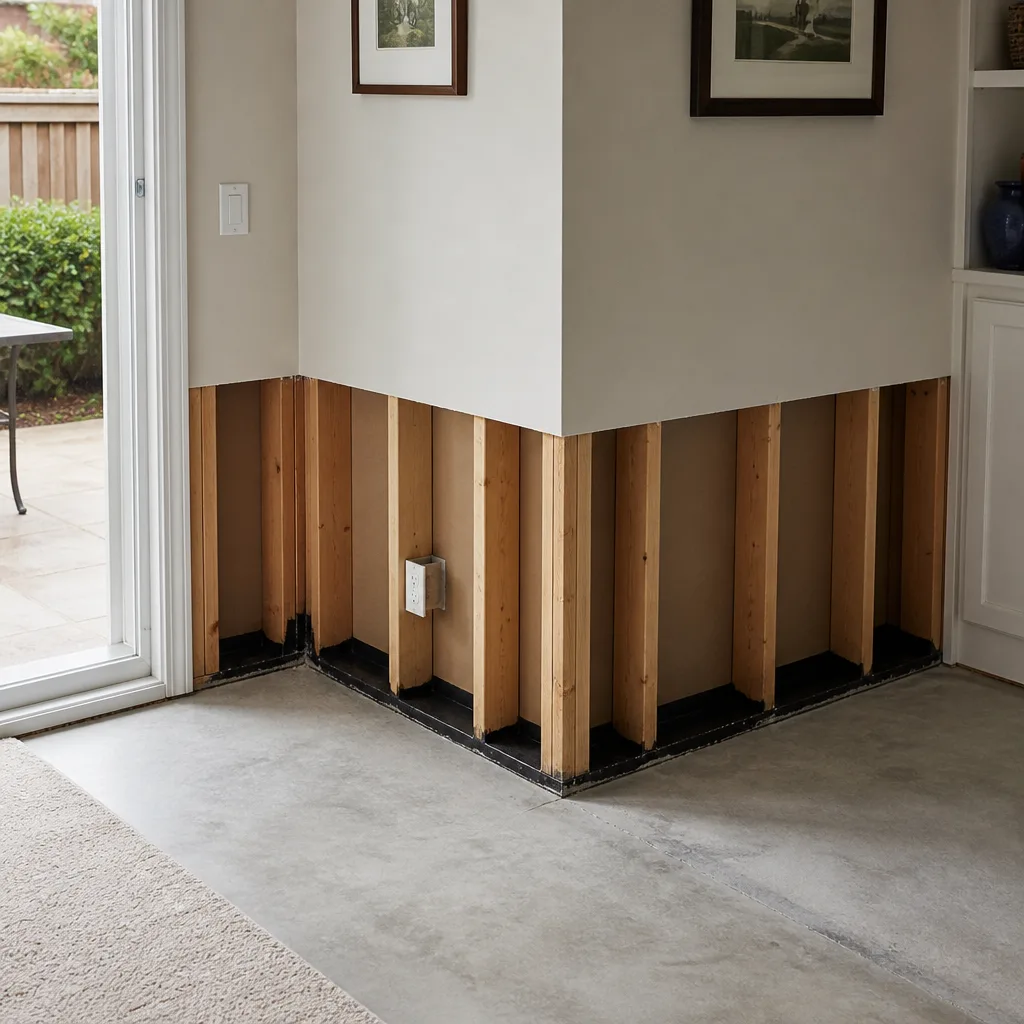 Mold remediation
 Storm response
 Sewage cleanup
 Reconstruction
Free visual inspection and a written scope of work before any mitigation begins - photos, moisture readings, and drying logs go in your claim file
The scope we write is the scope we bill. Anything new gets shown to you, in writing, before we touch it.
Get your free estimateDamage Restoration Warning Signs: A Tampa Homeowner’s Reference Guide
A faint musty smell that disappears when the AC kicks on is not a good sign in a Tampa home. It means the air handler is diluting air from an active moisture source, not eliminating the problem. The average Tampa house moves thousands of gallons of water through its walls, slab, and roof cavity every year, whether from rain, humidity, or a pinhole leak in a supply line. This guide covers the warning signs Tampa homeowners consistently miss because they look exactly like normal Florida home behavior until they don’t. We’ll walk through what each sign means, why it happens, and when it’s just Tampa being Tampa.
Quick Answer
The most commonly missed water damage warnings in Tampa homes are: a musty smell that fades when the AC runs, wood floor movement that returns seasonally, what looks like harmless white dust on exterior stucco, and water stains on drywall that never grow but never fully dry. If you notice any of these, document what you see, check the area with a moisture meter if you can, and get a professional assessment. Most of these issues become real problems only when the moisture source stays active for weeks or months.
Restoration work we handle
Table of Contents
- The AC-Mask Effect: Why Your Air Conditioner Hides Active Leaks
- Wood Floors: Normal Tampa Expansion vs. Subfloor Moisture Damage
- Stucco Efflorescence vs. Water Intrusion on Tampa Exterior Walls
- Warning Signs by Construction Type: CBS, Wood-Frame Additions, and Tile Roofs
- The Tide Mark: What a Water Line on Drywall Actually Tells You
- Hidden Areas That Hide Damage: Behind the Fridge, Under Cabinets, Inside HVAC Closets
- Common Mistakes to Avoid
- When to Call a Professional
- Frequently Asked Questions
The AC-Mask Effect: Why Your Air Conditioner Hides Active Leaks
Here’s how it works. A pinhole leak forms in a supply line inside a wall cavity. Water seeps into the drywall and framing. Mold begins to grow. You should smell it within a few days. But in Tampa, the air conditioner runs ten or eleven months a year. The air handler pulls air through the return, pushes it past the coil, and distributes it through the supply ducts. That constant air movement does two things: it lowers relative humidity inside the house, and it keeps air circulating so odors never concentrate in one room long enough for you to notice.
The smell returns when the AC cycles off. That’s the tell. If you notice a musty or earthy odor in the evening when the system is between cycles, or first thing in the morning before the thermostat triggers cooling, you may have active water inside a wall. Four common early water damage indicators get masked this way in Florida slab homes:
- Musty odor from wall cavities – The smell spreads when AC is off, disappears when it runs. This is the most frequently dismissed sign in Tampa. People assume it’s just “Florida house smell.”
- Elevated indoor humidity in one room – The AC dehumidifies the whole house, but one room stays sticky. A wall cavity holding water will keep releasing moisture faster than the AC can pull it from that space.
- Baseboard nails that bleed rust – Moisture inside the wall wicks into the drywall behind the baseboard. The finish nails rust, and you see small rust spots at each nail head. The air movement from the HVAC system keeps the surface dry enough that you miss the underlying moisture.
- Paint that bubbles only on the lower third of an interior wall – Water trapped in the wall cavity evaporates outward and lifts the paint film. The AC dries the room air, but the wall cavity stays wet.
If you suspect the AC-mask effect, the first step is not to open the wall. It’s to turn off the system for one afternoon and walk through the house with your nose. Then check the rooms that smell. In our experience, most Tampa homeowners who catch a leak this way catch it months earlier than they would have otherwise.
Wood Floors: Normal Tampa Expansion vs. Subfloor Moisture Damage
Tampa’s seasonal humidity cycle makes wood floors move. From May through October, relative humidity sits between 70 and 90 percent. Wood absorbs moisture and swells. From November through April, it drops to 40 to 60 percent and the wood contracts. Homeowners see gaps open in winter and close in summer. That’s normal Florida behavior. It is not a warning sign.
Subfloor moisture damage looks different. The mechanism is water moving upward from the concrete slab through the vapor barrier or through a failed barrier under the flooring. Tampa slab homes are especially prone because the water table is high and the slab sits directly on limestone. A $30 pin-type moisture meter will tell you the difference in minutes. Here’s what to check:
- Test the flooring surface first. If engineered hardwood or laminate reads below 12 percent moisture content on the meter, the floor itself is dry. Seasonal movement is your answer.
- Test the subfloor through a gap. If you can access the subfloor through a floor vent or a gap at the wall, the subfloor should also read below 12 percent. A reading between 13 and 17 percent means moisture is moving through the slab.
- Look for cupping vs. crowning pattern. Cupping, where board edges rise higher than the center, means moisture from below. Crowning, where the center rises, means moisture from above. Tampa’s humidity causes uniform expansion. Cupping does not happen from ambient humidity alone.
- Check if the movement returns to the same baseline. Seasonal expansion reverses. Subfloor moisture damage gets slightly worse each season. If the same boards are cupped every summer but flatten less each winter, the slab is releasing water.
One Tampa-specific note: homes built in the 1960s through the 1980s often have original oak strip flooring nailed directly to sleepers over the slab. Those sleepers are untreated wood in many cases. If the vapor barrier under the slab was never installed or has degraded, moisture migrates up and rots the sleepers from below. You’ll never see the rot until a board collapses. If your home fits that era, check floor vents in the summer. A musty smell from the vent plus cupped boards means the moisture is coming from under the floor, not from the air.
Stucco Efflorescence vs. Water Intrusion on Tampa Exterior Walls
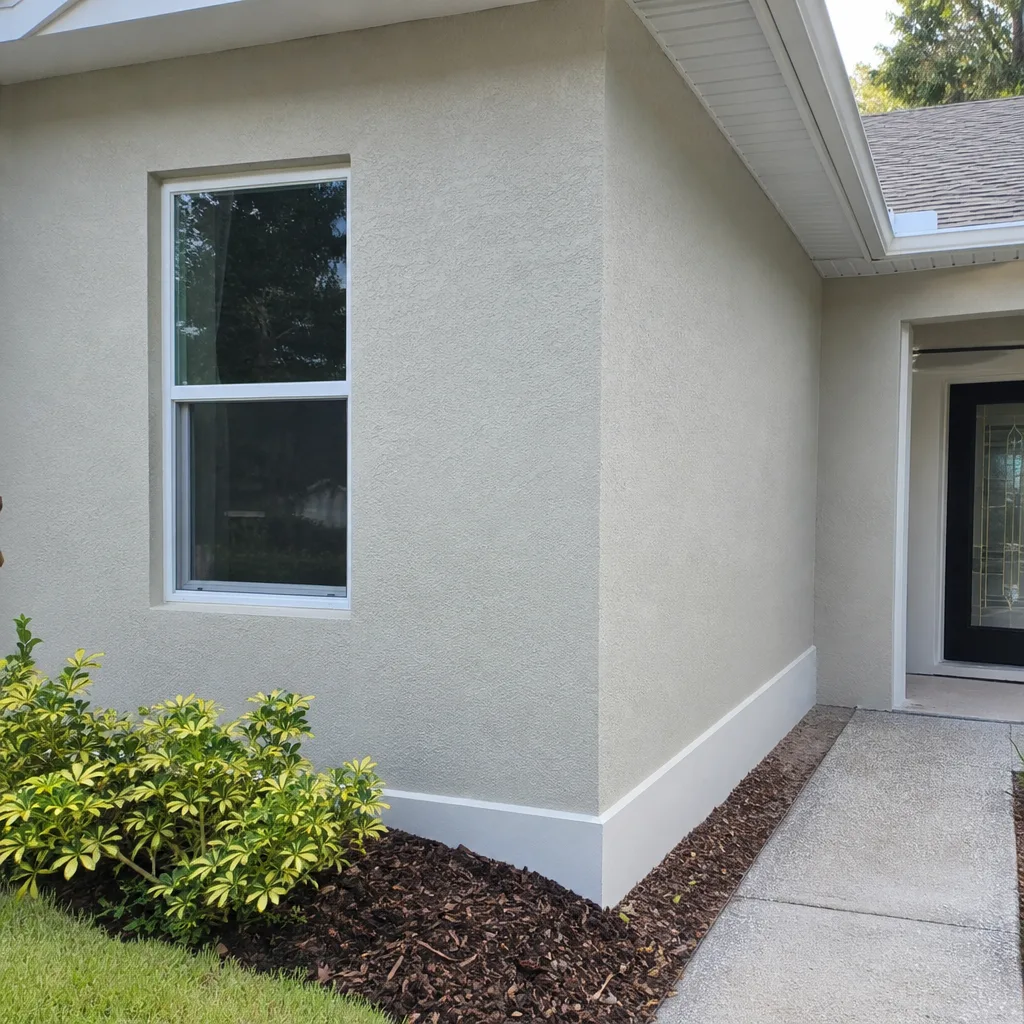
Tampa exterior walls are mostly stucco over concrete block. Stucco is porous. Water gets in. That’s not automatically a problem. A properly detailed stucco wall breathes, and water evaporates before it reaches the block. What you see on the surface tells you which situation you’re in.
Efflorescence is a white, chalky, crystalline deposit on the surface. It forms when water moves through the stucco and carries dissolved salts to the surface. The water evaporates, the salt stays behind. Efflorescence means water has moved through the wall at some point, but the water is not currently trapped. On a Tampa home, efflorescence after heavy summer rain is common. It brushes off with a stiff brush. If it reappears only after rain and never during dry spells, the wall is doing its job. You have a cosmetic issue, not a structural one.
Water intrusion looks different. It shows up as darker patches that never fully dry, especially in shaded areas, at the base of walls, or below stucco cracks. Blistering or peeling paint over the stucco is another sign. If you run your hand over the patch after three dry days and it feels cool or damp, water is still moving through the wall. That’s the call. On Tampa’s east-facing walls, the morning sun burns off surface moisture quickly, so a dark patch on an east wall that lasts more than a week is especially telling.
One more differentiation point for Tampa homeowners: sprinkle backflow. Many irrigation systems in Tampa are set to run before dawn. If you see efflorescence or darkening in a band along the base of the wall, look at your sprinkler heads. A misdirected spray hitting the stucco every other day will drive water into the wall from the outside. Fixing the sprinkler head often fixes the wall. If the darkening continues after the irrigation is adjusted, water is coming from inside the wall or from a roof leak above.
Warning Signs by Construction Type: CBS, Wood-Frame Additions, and Tile Roofs
Tampa’s housing stock falls into three rough categories, and each one fails differently when water gets involved.
Concrete Block (CBS) Homes
Most Tampa homes built before 1990 are concrete block on slab. The block itself does not rot, which is why CBS homes survive hurricanes better than wood-frame. But the block is also the weak point for hidden water damage. Water moves through block by capillary action, then sits in the cells. You’ll see warning signs at the interior base of exterior walls: paint that won’t bond, baseboard that pulls away at the bottom, or vinyl flooring that bubbles along the perimeter. The block wicks water up from the slab and in from exterior stucco cracks. A water stain on the interior of a CBS wall, especially near the floor line, means the water has already moved through the entire wall section. That’s not surface moisture. That’s a saturated block.
1970s to 1990s Wood-Frame Additions
Many Tampa homes from this era started out as CBS but got wood-frame additions: Florida rooms, extended bedrooms, back porches turned into dens. Those additions are usually framed with standard southern yellow pine and sheathed in plywood or OSB. The failure point is almost always the transition line where the addition meets the original block wall. Water gets in at the flashing, runs down the framing, and rots the sill plate. The warning signs are specific: a soft spot in the floor near the addition’s exterior wall, a door in the addition that sticks only during wet months, or a musty smell that follows the wall line of the addition. If your home has a wood-frame addition and the paint is bubbling at the ceiling line where it meets the original house, get it checked before the rot spreads into the existing structure.
Tile Roof Construction
Tile roofs are common in Tampa, especially in South Tampa, Carrollwood, and parts of Westchase. Tile itself lasts a long time. The underlayment does not. The warning signs for a failing tile roof show up inside the house before you ever see a broken tile. Water moves under the tile, through the degraded underlayment, and down the roof decking. Inside, you’ll see stains on the ceiling near exterior walls, water running down the inside of exterior walls during heavy rain, or moisture around recessed lights on the top floor. On the exterior, look for dark streaking on the fascia boards. That means the underlayment is saturated and water is getting past it. Tile repairs are part of water damage restoration in Tampa, but the tile itself is often the last thing that fails.
The Tide Mark: What a Water Line on Drywall Actually Tells You
A tide mark is the line water leaves on a wall. It’s the first thing our technicians look for on every job, and it’s named for exactly what it is: the boundary between where water sat and where it didn’t. The mark itself is a record. It tells you how high the water rose, how long it sat there, and how far it wicked upward through the drywall after the visible water was gone.
Here’s how to read a tide mark on your Tampa drywall:
- Height tells you the source. A mark at the baseboard line usually means slab moisture or a supply line leak inside the wall. A mark six feet up the wall means ceiling water from a roof leak or an upstairs bathroom. A mark that follows the wall at an angle suggests water pooled in one corner and moved across the floor.
- Sharpness tells you the duration. A sharp, distinct line means the water sat for a while and then dried. A faint, blurry line means short exposure or repeated small events. Either way, drywall is like a sponge. If the line is visible, the water traveled beyond it.
- Wicking above the line tells you the damage extends past what’s visible. Drywall wicks water upward through capillary action. A tide mark two feet up the wall can mean moisture moved three or four feet up inside the wall cavity. The drywall above the mark looks dry but may hold elevated moisture for weeks.
- Discoloration without a line means airborne moisture. If you see brown lines that follow the ceiling joists or studs, that’s condensation staining, not standing water. In a Tampa home, that often points to a blocked soffit vent, an undersized bathroom fan, or a leaking duct in the attic.
The takeaway: never assume the visible line is the full extent of the damage. Drywall is cut back past the tide mark during restoration for a reason. If a contractor quotes a repair and does not mention cutting past the tide mark or testing the moisture above it, ask why, or review our DIY vs Professional Damage Restoration guide to know what to expect.
Hidden Areas That Hide Damage: Behind the Fridge, Under Cabinets, Inside HVAC Closets
Tampa homeowners check the visible spots: under sinks, around windows, in the garage. The damage that turns into major restoration is usually in the places no one looks because the sight lines are blocked.
Behind the refrigerator. The water line to the ice maker runs between the wall and the fridge. A slow leak there drips onto the floor and runs under the fridge. By the time you see water on the kitchen floor, the water has been seeping into the flooring and the subfloor for weeks or months. The warning sign is subtle: the floor in front of the fridge feels slightly soft, or the vinyl is discolored in a six-inch arc around the fridge base. Pull the fridge out twice a year and look. It takes three minutes.
Under bathroom and kitchen cabinets. The bottom shelf inside a sink cabinet is not the floor of the cabinet. It’s a cover panel sitting over the actual cabinet floor. Water from a slow drain leak runs under that panel and sits on the subfloor. You’ll see nothing until the panel starts to warp. The check is simple: remove everything from the cabinet, lift the panel, and feel the real floor underneath. In Tampa’s climate, a damp cabinet floor stays damp because the AC can’t circulate under the cabinet.
Inside the HVAC closet or air handler space. If your air handler is in an interior closet, check the drain pan. A cracked pan or a clogged condensate line sends water onto the closet floor and into the adjacent walls. The warning sign is water staining on the closet floor or a musty smell from the return air. In Tampa, the AC runs constantly from April through October, which means a clogged line produces water daily. That water has months to do damage before you ever notice it.
The pattern across all these hidden areas is the same: the water source is active for a long time before the visible evidence appears. If you only look where you can see, you find the damage late. Looking where the water would go if it were leaking is how you find it early. For more guides & resources, see our blog.
Common Mistakes to Avoid
- Assuming a dry surface means a dry wall. In Tampa’s climate, the surface of drywall can feel bone-dry while the wall cavity holds 40 percent moisture. The AC keeps the surface dry. A moisture meter is the only way to know.
- Painting over a water stain. A water stain bleeds through new paint within months. More important, the stain is the symptom. Painting over it hides the record of where water traveled. If the source is not fixed, you’ve just spent money to make the warning sign disappear.
- Waiting for a smell to get worse. The musty smell that gets stronger means mold spores are being released into the air. By the time it’s strong enough that you can’t ignore it, the mold colony is established. A faint smell is an early warning. A strong smell is a larger problem.
- Trusting a home inspector’s word that your home is dry. Home inspectors in Tampa rarely use moisture meters, and they can’t see inside walls. A clean inspection report is not the same as a dry house. If you have a specific concern, ask for a moisture assessment specifically; that’s not what a standard inspector is looking for.
- Assuming a slab home can’t have a structural water problem. Concrete block doesn’t rot, but the wood framing inside the walls and the wood sleepers under the floor do. Catching moisture in a slab home is harder because the visible evidence shows up late. If the home has a wood-frame addition, treat it like a wood-frame house.
- Ignoring the smell because the AC makes it go away. This is the specific mistake that lets small leaks become big problems in Tampa. The smell that fades when the system runs is the most frequently missed water damage sign in Florida homes.
When to Call a Professional
Call when you see a tide mark on drywall, especially if it appeared after a rain event or if it seems to be growing. Call when a musty smell returns every time the AC cycles off. Call when your moisture meter reads above 14 percent in flooring or subfloor. Call when you see dark patches on stucco that don’t dry out after three days. And call if you suspect the AC-mask effect and you want a definitive answer rather than continued guessing. Tidemark Water Damage Tampa offers free estimates in Tampa. Call (850) 828-8896 and a real person will answer, day or night.
Frequently Asked Questions
Water damage smells musty, earthy, or like wet cardboard. In a Tampa home, the smell often appears when the AC cycles off and disappears when it runs, because the air handler masks the odor by constantly circulating air. If you notice that pattern, you likely have an active moisture source behind a wall or under a floor.
Use a pin-type moisture meter. If the flooring and subfloor read below 12 percent moisture content, the movement is seasonal humidity expansion, which is normal in Tampa. If the subfloor reads 13 percent or higher, water is moving up from the slab or from a plumbing leak. Cupped boards that get worse every year point to subfloor moisture.
No. A ceiling water stain in a Tampa home can come from a roof leak, a leaking condensate drain line in the attic, a leaking supply line, or condensation from a blocked soffit vent. The location and shape of the stain help identify the source. A stain that follows the line of a roof joist often points to a leak, while a round stain below an HVAC unit in the attic usually points to a condensate issue.
Mold can begin growing within 24 to 48 hours of water exposure in Tampa’s warm, humid climate. The higher indoor humidity from the Tampa climate means spores germinate faster than they do in drier regions. This is why a slow leak inside a wall cavity can produce a significant mold colony long before the homeowner sees any visible water.
Most homeowner policies cover sudden and accidental water damage, such as a burst pipe or a roof leak from a storm, but not long-term seepage or maintenance issues. Every policy is different. A restoration company that documents everything with photos and provides a written scope of work before the job starts makes the claim process smoother. Mold remediation in Tampa often requires specific policy language, so ask your adjuster about mold coverage limits before remediation starts.
If you call (850) 828-8896, a live person answers. In an emergency, a crew can typically be dispatched the same day. For non-emergency assessments, the goal is to schedule within a day or two. The key is to catch the problem before it spreads. If you suspect water behind a wall, call sooner rather than later. Estimates are free.
It depends on what the moisture meter says and what’s behind the wall. If the drywall is saturated, cutting it out and replacing it is usually less expensive than living with mold growth inside the cavity. A paper backing on drywall is a food source for mold. Once it’s wet, it can’t be cleaned back to a safe state. A professional assessment with moisture readings will tell you whether you need fire damage restoration in Tampa or a different scope. If the issue is water or mold, the honest answer is: get the reading before you decide.
A restoration company that documents everything and provides written scopes works with your adjuster directly. The important thing is documentation: photos of the damage, moisture readings, and a written estimate. That’s the standard on every job we do. You should never have to argue with an adjuster about what the damage looked like before the crew started.
The Bottom Line
Tampa homes fail in predictable ways. The warning signs are consistent, but they hide behind the normal behavior of a Florida house. A musty smell that fades when the AC runs. A wood floor that cups a little more each summer. A dark patch on stucco that never fully dries. A tide mark on drywall that tells you exactly how long the water sat. If you learn to read these signs, you catch damage months before it becomes a restoration project. If you’re unsure, call (850) 828-8896. We’ll send someone to look, give you a written answer, and if there’s a problem, a written price before any work starts. That’s the standard.
Written by Rick Sumner, Owner at Tidemark Water Damage Tampa, serving Tampa since 2006.
See the difference
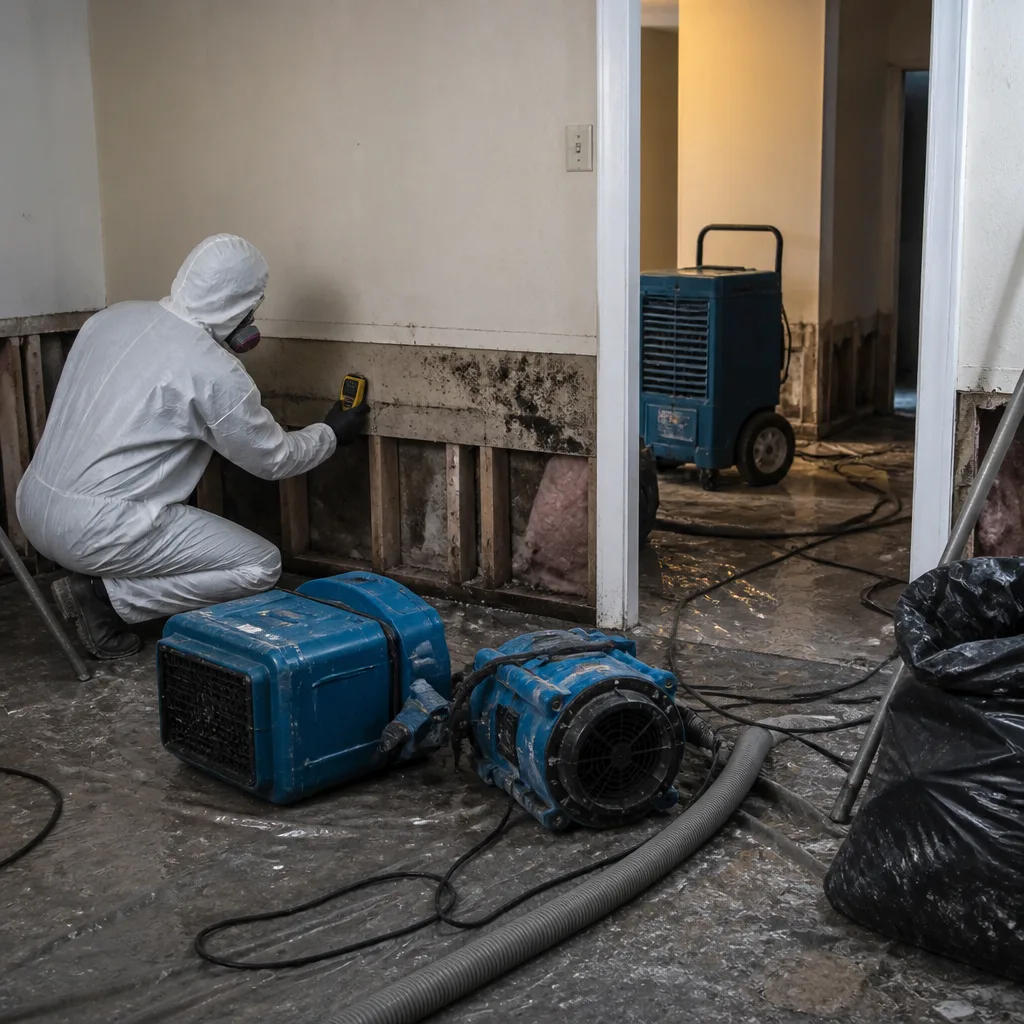 Before
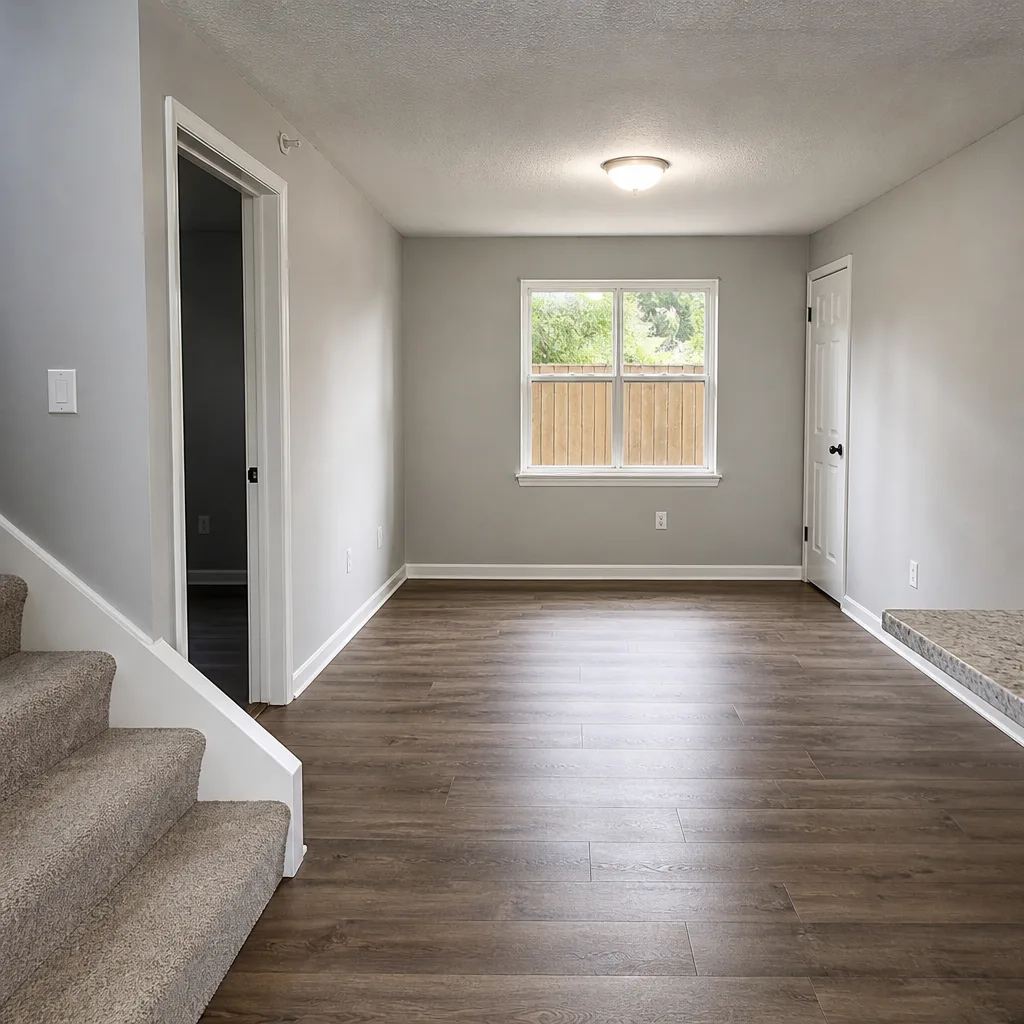 After
After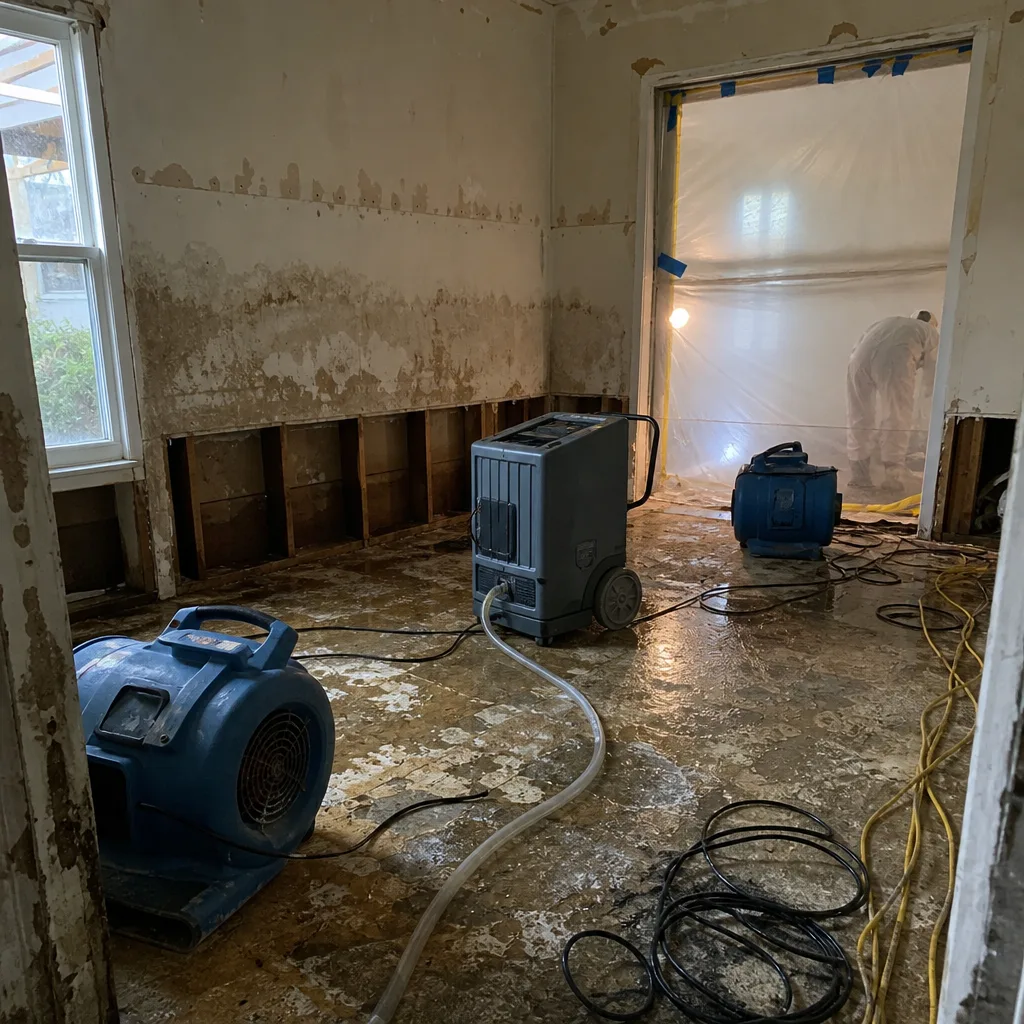 Before
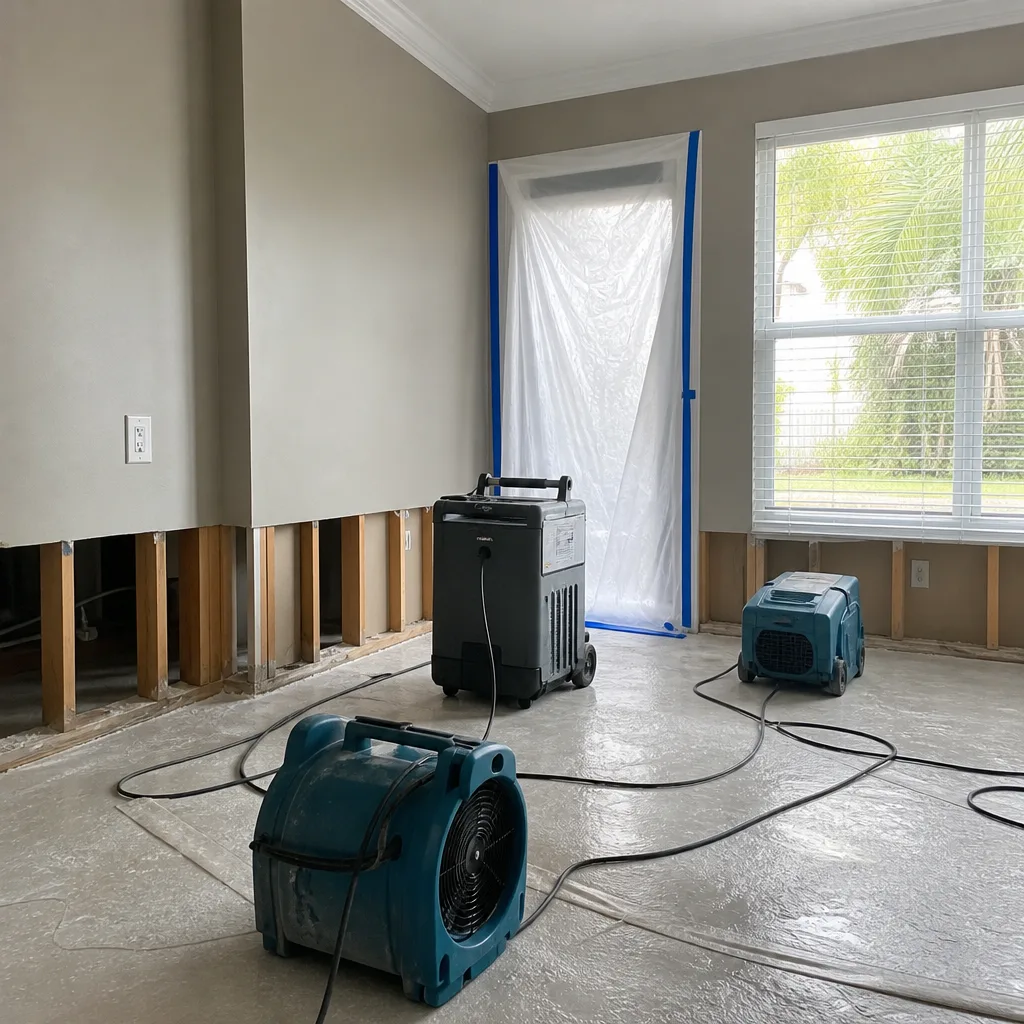 After
After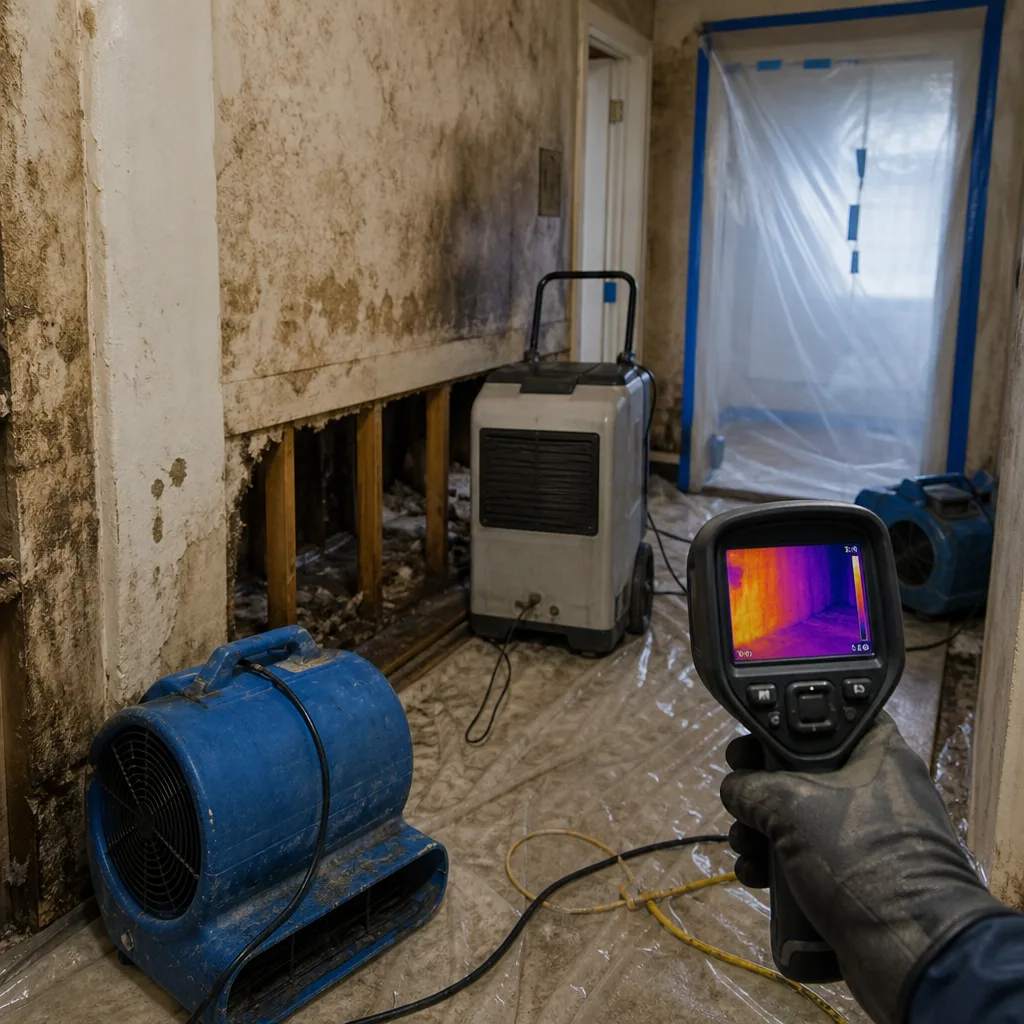 Before
 After
After