
Last updated October 16, 2026
 Water damage drying
 Fire & smoke cleanup
 Mold remediation
 Storm response
 Sewage cleanup
 Reconstruction
Free visual inspection and a written scope of work before any mitigation begins - photos, moisture readings, and drying logs go in your claim file
The scope we write is the scope we bill. Anything new gets shown to you, in writing, before we touch it.
Get your free estimateSeasonal Damage Restoration Care for Tampa: Year-Round Homeowner’s Guide
Tampa’s riskiest month for interior water damage isn’t August, when hurricanes make headlines. It’s June, when the wet season arrives abruptly and exposes every maintenance item that went unchecked during the dry winter. In a single week, a home that sailed through April and May can show water at the baseboards, musty air near the air handler, or a ceiling stain spreading from a roof penetration. This guide rebuilds seasonal restoration care around Tampa’s actual weather inflection points, so you know precisely what to check, when to check it, and what to do when something fails. For a deeper dive, see The Complete Guide to Damage Restoration in Tampa.
Quick Answer
Seasonal home care in Tampa should follow the local wet-dry cycle, not a national calendar. The critical windows are June (wet season onset), August through September (hurricane peak), October through November (hidden leak window), December through February (dry season maintenance), and March through May (humidity return). The single most valuable habit for a Tampa homeowner is documenting your home’s interior moisture baseline before storm season begins, so any post-storm claim has a defensible starting point.
Restoration work we handle
Table of Contents
- June: The Wet Season Onset Checklist
- August Through September: Documenting Your Moisture Baseline
- October Through November: The Hidden Damage Window
- December Through February: The Dry Season Maintenance Window
- March Through May: Catching Problems Before June
- How to Read Your Home’s Moisture Readings
- Common Mistakes to Avoid
- When to Call a Professional
- Frequently Asked Questions
June: The Wet Season Onset Checklist
In Tampa, the wet season doesn’t ease in. It switches on, usually in early to mid-June, when afternoon thunderstorms become a daily occurrence and the air gains that heavy Gulf humidity that makes floors feel damp to the touch. Any weakness in your home’s water defenses gets tested within the first two weeks. Here is the Water Damage Restoration Maintenance Checklist for Tampa Homeowners we recommend completing before the first tropical system of the year forms.
- Clear and test the AC condensate drain line. This is the single most common source of interior water damage we see in June. When the AC runs hard for the first sustained stretch of the season, algae and debris that accumulated over the winter block the line, and water backs up into the air handler closet or the wall cavity. A cup of white vinegar poured into the drain line every month during the wet season keeps it clear.
- Check every roof penetration. Vent pipes, exhaust flues, and satellite dish mounts are where June’s torrential rains find entry. Look in the attic for any dark staining on the roof decking around these penetrations, and run a hose over the areas in question if you suspect a leak. A small roof repair in June is dramatically cheaper than ceiling replacement by September.
- Clear French drain outlets and downspout extensions. In neighborhoods like New Tampa and Carrollwood, where clay soils hold water, a clogged French drain outlet means the water has nowhere to go except back toward the foundation. Walk the perimeter and remove any leaf litter or grass clippings that have accumulated at the drain openings.
- Flush and inspect exterior doors and window seals. After months of dry-season dust, gaskets and weatherstripping can crack. A quick check with a piece of paper (close the door on the paper and see if it pulls out easily) will tell you where summer rain will find a path inside.
We see more water damage from failed AC drain lines in Tampa during June than from any hurricane the entire rest of the year. The good news: it’s a ten-minute prevention task that costs almost nothing.
August Through September: Documenting Your Moisture Baseline
Here’s what most Tampa homeowners don’t realize until a claim is on the table: after a storm, your insurance adjuster will compare the damage they see against what they can verify existed before. If you have no record of your home’s pre-storm condition, you’re arguing from a position of guessing. The fix is to document your interior moisture baseline before the peak of hurricane season, not after it.
We’re not suggesting you purchase professional-grade meters. A basic digital moisture meter (available at hardware stores for under $40) and your phone’s camera are enough for a defensible baseline. Walk each room and record readings at the same six points every time: floor level along exterior walls, ceiling corners, and the area around any door or window that faces the prevailing wind. Write down the number and the date. This is your starting point.
When a storm passes and you suspect water entered the home, take readings at those same points again. If the number is 15% or more above baseline, you have defensible evidence of a change. That specificity matters in Tampa, where afternoon thunderstorms leave humidity spikes that can confuse less careful readings.
October Through November: The Hidden Damage Window
In Tampa, October and November are tricky. The daily thunderstorm cycle fades, temperatures cool slightly, and the air feels drier than it has in months. That relative dryness is exactly what masks slow leaks. A small roof leak that was obvious in August, when the attic was hot and the moisture had nowhere to hide, becomes much harder to detect when cool nights condense moisture and interior humidity readings read lower than the actual moisture content in wall cavities.
What to do during this window:
- Recheck the attic after the first cool front. The temperature change causes roof decking and flashing to contract, which can open hairline gaps that stayed sealed in summer heat. Look for any staining that wasn’t there in September.
- Inspect baseboards and door casings on the windward side of the house. Slow water entry from wind-driven rain often wicks into drywall and evaporates before it pools. Look for paint bubbling, caulk cracks, or a faint waterline that wasn’t there before.
- Watch for unexplained mustiness in closets and under sinks. This is the time of year when slow leaks behind cabinets reveal themselves through smell before they reveal themselves through stains.
Of every season, this one produces the most mold growth in Tampa homes that gets caught late. The water entered in September, but the evidence stayed hidden until the humidity returned in March. A professional moisture survey during this window catches what the weather is trying to conceal.
December Through February: The Dry Season Maintenance Window
Tampa’s dry season, which runs roughly from late November through early March, is the right time for the maintenance tasks that require low humidity and predictable weather. This is not the season for emergency thinking. It’s the season for prevention, done carefully and thoroughly.
Here is what we recommend doing between December and February:
- Schedule a professional mold inspection. The dry season is the only time of year when a mold inspection in Tampa gives you a truly accurate picture. During the wet season, ambient humidity is so high that surface moisture readings get skewed upward, and a technician may flag areas that are merely humid rather than actually water-damaged. In February, when the air is at its driest, a reading that says “wet” means something real.
- Have slab leaks checked. Slab leaks in Tampa are common in homes built between the 1970s and 1990s, when copper piping under concrete was standard. The telltale signs – a hot spot on the floor, the sound of running water when nothing is on, or inexplicably high water bills – are easier to verify when the ground is at its driest.
- Reseal bathroom grout and tub surrounds. Grout is porous, and after a wet season, it’s compromised. The dry season is the only window when a reseal can cure properly without moisture wicking back into the fresh sealant.
- Test your sump pump (if you have one). In neighborhoods with high water tables, like parts of South Tampa and Town ‘n’ Country, a sump pump that fails in June will fail during the heaviest rain of the year. Test yours now, while the worst thing that can happen is it trips in a dry hole.
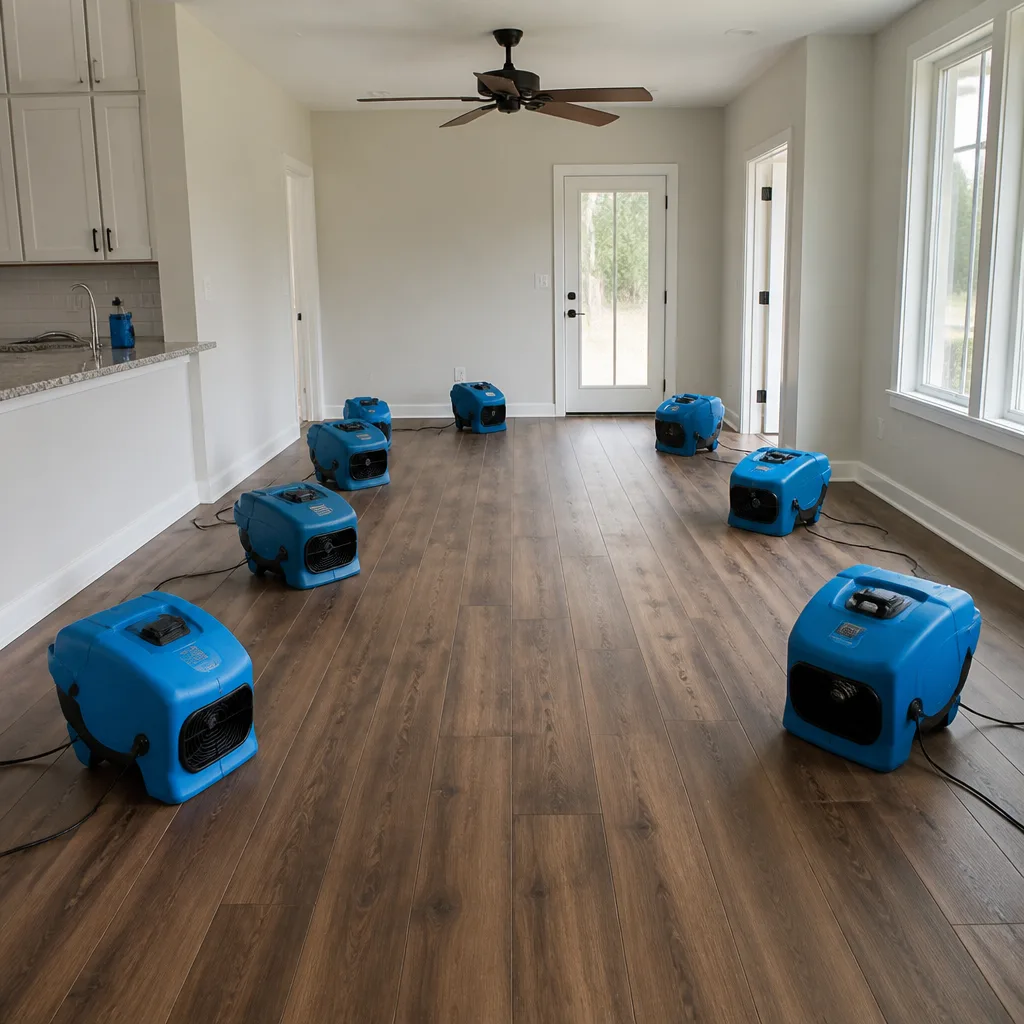
Our technicians run water damage restoration equipment from brands like Dri-Eaz, Phoenix, and XPOWER that we use across Tampa all year, but the easy ones are the jobs that never happen because a dry-season inspection caught the problem early.
March Through May: Catching Problems Before June
By March in Tampa, the humidity begins its long climb back. The first week where you notice the air feels sticky again is your signal to start watching for the early warnings of water problems that winter maintenance missed. This is the “canary in the coal mine” window, and it will tell you exactly what is going to fail when June arrives.
Watch for these signs between March and May:
- Condensation on interior windows in the morning. If you see heavy condensation on the inside of your windows during March mornings, your interior humidity is already high enough to support mold growth. Something is adding moisture to the air: a slow leak, a bathroom vent that isn’t venting, or a crawl space that’s wetter than it should be.
- A bathroom that takes longer to dry after a shower. This is one of the earliest signs that your bathroom exhaust fan is failing or was never properly vented to the outside. In Tampa, a bathroom that stays damp for hours is a mold colony waiting to establish itself.
- Faint mustiness in closets near the AC air handler. By April, the AC is running enough again that a drain line problem from the previous season will start showing up as a musty smell from the air handler closet. Don’t wait until the first hard week of June, when that smell becomes standing water.
- Cupping or warping in hardwood floors. Wood floors in Tampa homes absorb moisture from the air and from below. If you notice boards starting to cup or bow in March or April, moisture is building beneath the floor, not just in the room.
Here is the thing about this window: nothing on this list will fix itself. Every single one of these signs is a problem that is already underway and will be amplified by the first week of the wet season. Catching it in April means a modest repair. Catching it in July means a restoration-scale response.
How to Read Your Home’s Moisture Readings
Most Tampa homeowners know what a moisture meter is, but very few know how to interpret the numbers they get. Here is a simple framework that holds true for the climate in Hillsborough County.
| Reading | What It Means | What to Do |
|---|---|---|
| 0-12% (wood) | Normal for interior framing in Tampa’s dry season, slightly low for wet season | Nothing. This is your baseline. |
| 13-19% (wood) | Elevated. Something is adding moisture beyond what ambient humidity alone would cause. | Investigate nearby plumbing, windows, or roof penetrations. Monitor daily. |
| 20% or higher (wood) | Active moisture. Water is reaching this material from a source that is still present. | Call a restoration professional. Mold can establish in as little as 48 hours. |
Two caveats for Tampa specifically. First, drywall registers lower than wood even when wet, so a “low” reading on drywall does not mean dry. Second, summer humidity in Tampa can push ambient surface moisture above 12% throughout the house, which is why the dry season is the only time baseline readings are truly reliable.
Common Mistakes to Avoid
- Waiting for a “big storm” before checking your home’s water defenses. In Tampa, the daily June thunderstorm cycle causes more cumulative water damage than the named storms that make the news. The damage from a slow AC condensate leak that runs for three weeks in June can exceed the damage from a two-hour tropical storm.
- Trusting a home inspector’s notes from the purchase as your ongoing moisture baseline. That inspection captured one day in your home’s life. Conditions in Tampa change dramatically between February and August, and a reading that was normal in the dry season tells you nothing about what is happening now.
- Using bleach as your primary mold response. Bleach is not an effective remediation agent on porous surfaces like drywall, wood, and grout. It kills surface mold but leaves roots behind, and the wet application actually feeds deeper growth in Tampa’s high humidity. Professional remediation is the right call for anything beyond a small bathroom patch.
- Skipping the post-storm moisture check because “everything looks fine.” Water that enters a wall cavity during a September storm often leaves no visible trace on interior finishes until months later, when paint bubbles and the drywall has already softened. If you had a storm that brought wind-driven rain, check the windward side of your home’s exterior walls that same week.
- Running a dehumidifier without knowing if it’s actually reducing humidity. A dehumidifier in a Tampa home during the wet season is only useful if it’s sized for the space and maintained. A unit with a clogged filter or a full tank that never gets emptied is doing nothing. Pair it with a cheap hygrometer so you can see the actual numbers change.
- Assuming your AC is adding enough drying power to handle a moisture problem. A properly functioning AC does remove humidity from the air. It does not dry out wall cavities, subflooring, or insulation. If you have a leak behind a wall, your AC is not going to fix it, no matter how low you set the thermostat.
When to Call a Professional
Some seasonal maintenance tasks are for homeowners with a weekend and a ladder. Others cross into territory where the cost of guessing wrong is measured in thousands of dollars and months of disrupted living. Call a professional when any of these are true: water is visibly collecting on interior surfaces, you smell mustiness but can’t locate the source, you’ve had a roof or window leak that lasted more than 48 hours, your moisture meter reads 20% or higher on wood, or you’re filing an insurance claim and need documentation. Tidemark Water Damage Tampa offers free estimates in Tampa, with a written price before any work starts. Call (850) 828-8896.
Frequently Asked Questions
The most common cause of interior water damage in Tampa is a failed AC condensate drain line, not storm water. During the wet season, algae and sediment block the line, and water backs up into the air handler closet. A monthly cup of white vinegar in the drain line during the summer is simple prevention. For a damaged line that has already backed up, call (850) 828-8896 and we’ll get someone to you quickly.
Standard homeowner’s insurance covers wind-driven rain damage and water that enters through a storm-created opening. Flood damage, which is common in parts of Tampa during hurricanes, requires a separate flood insurance policy. Photo documentation of your home’s pre-storm condition and moisture baseline readings make any claim you do file substantially easier to prove.
Within 48 hours is the window where drying prevents mold growth. After that, mold can establish, and the problem moves from drying to remediation. In Tampa’s warm, humid climate, that 48-hour window is shorter during the summer months.
Yes. A persistent musty smell means active mold growth somewhere in the home that is releasing microbial volatile organic compounds. It doesn’t matter if you can’t see the mold. The smell is the evidence. A professional can locate the moisture source and the colony using equipment that detects moisture differences inside wall cavities.
For day-to-day humidity, a properly sized and maintained dehumidifier helps. For a water leak that has already penetrated drywall or subflooring, it is not enough. Trapped moisture inside materials requires professional drying equipment and, in many cases, removal of the affected material entirely.
Start in May or early June. Clear AC drain lines, check roof penetrations, clear French drain outlets, and document your interior moisture baseline. During the peak months of August and September, monitor your home after every storm that brings wind-driven rain. For a full pre-season professional check, call (850) 828-8896. Estimates are free, and the written price is given before any work starts.
The Bottom Line
Tampa’s seasonal rhythm is different enough from the national pattern that generic home maintenance advice fails here. The wet season starts fast in June, storms peak in August and September, October and November hide problems, the dry season offers the only honest mold assessment window, and the humidity returns in March with early warnings you can catch. Documenting your moisture baseline before the wet season is the single most useful thing you can do this year. If something fails, respond within 48 hours. And if you need help, call a professional who will give you the written price before work begins.
Written by Rick Sumner, Owner at Tidemark Water Damage Tampa, serving Tampa since 2006.
See the difference
 Before
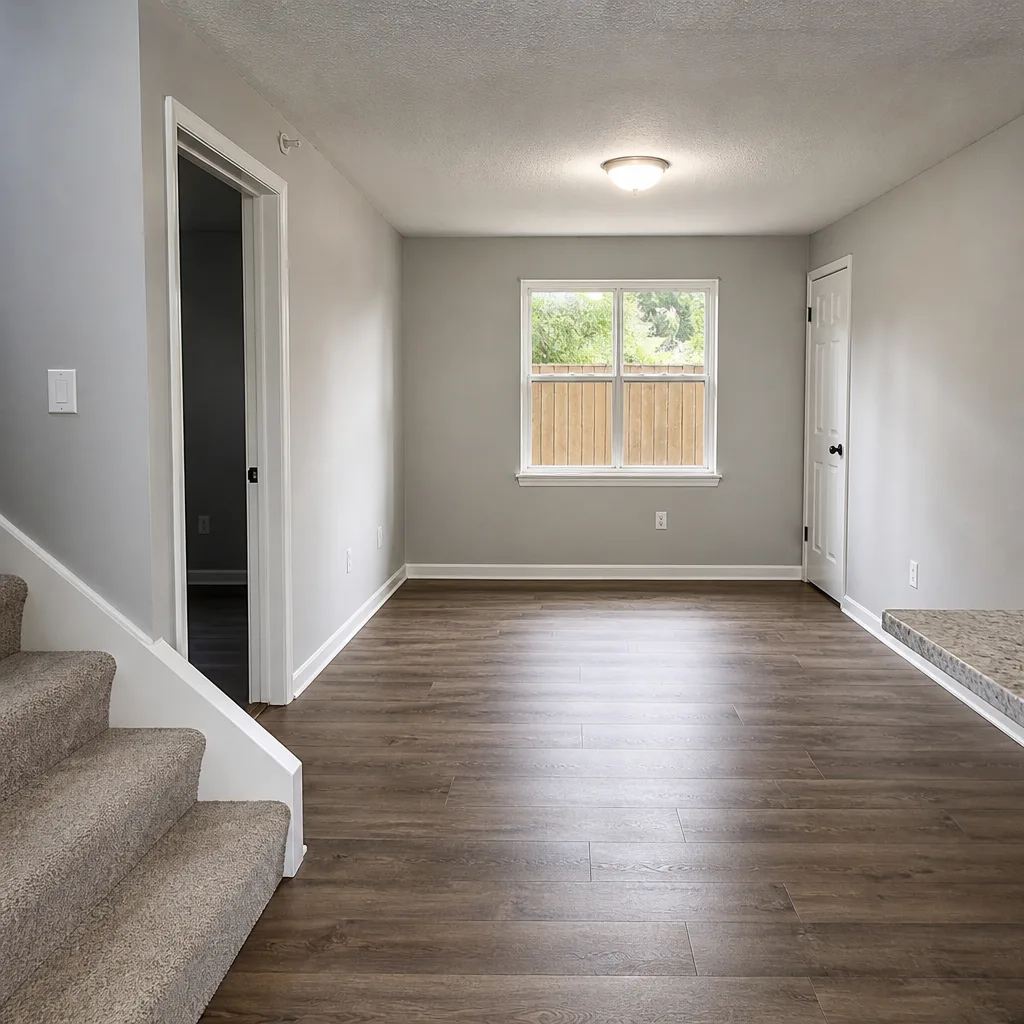 After
After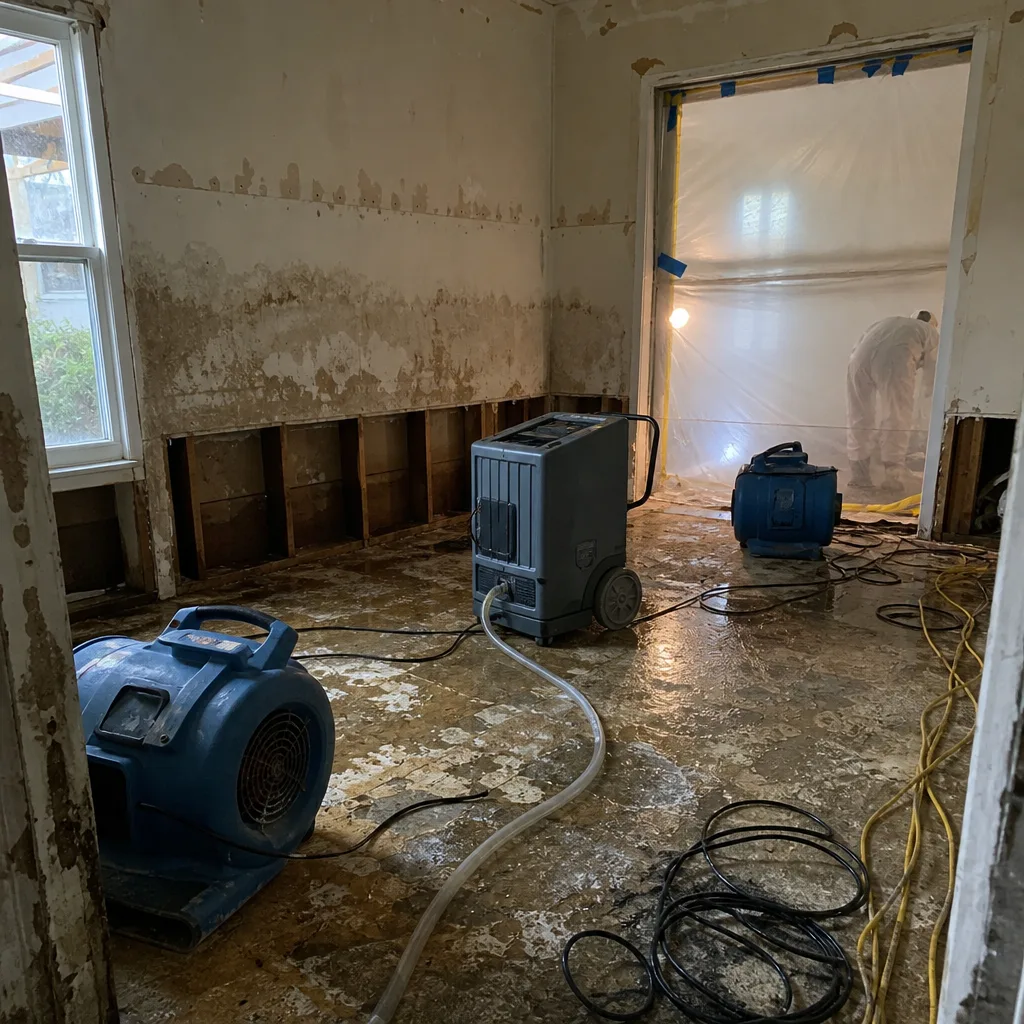 Before
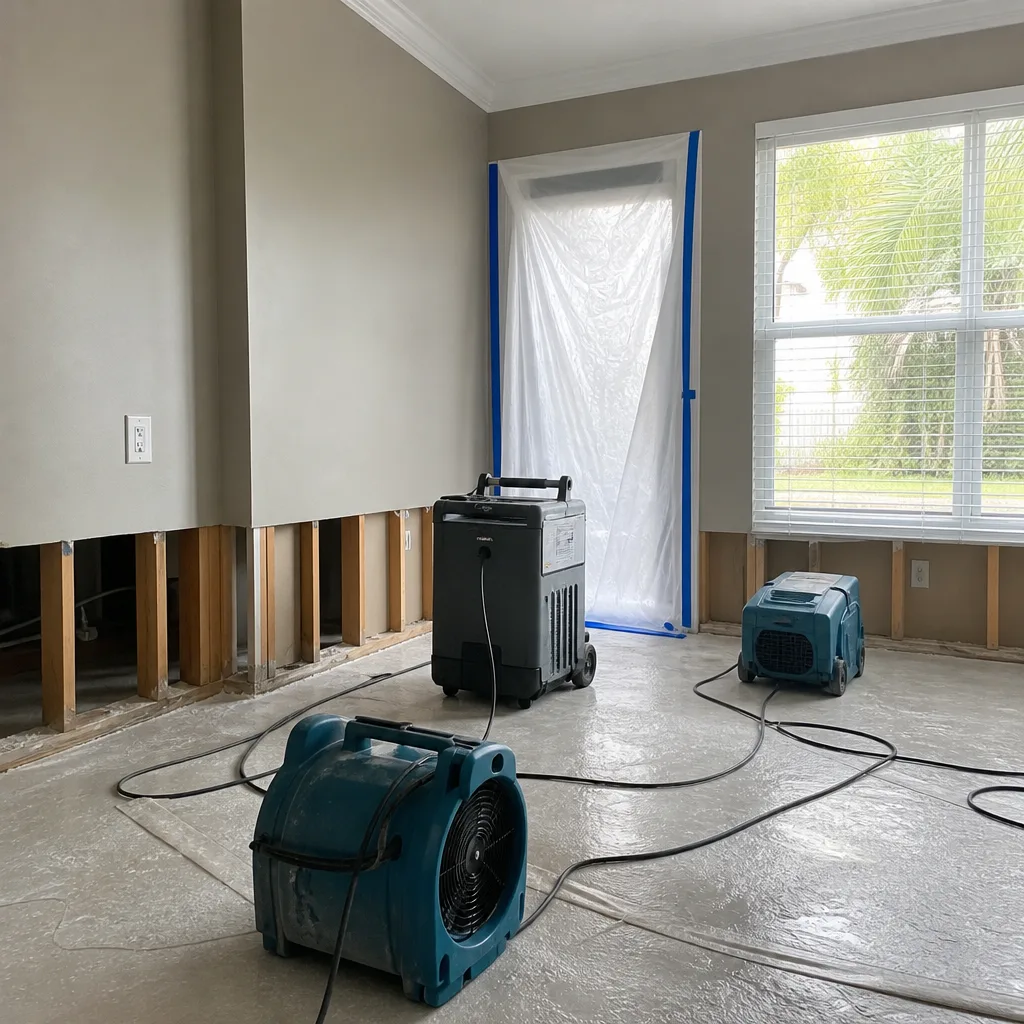 After
After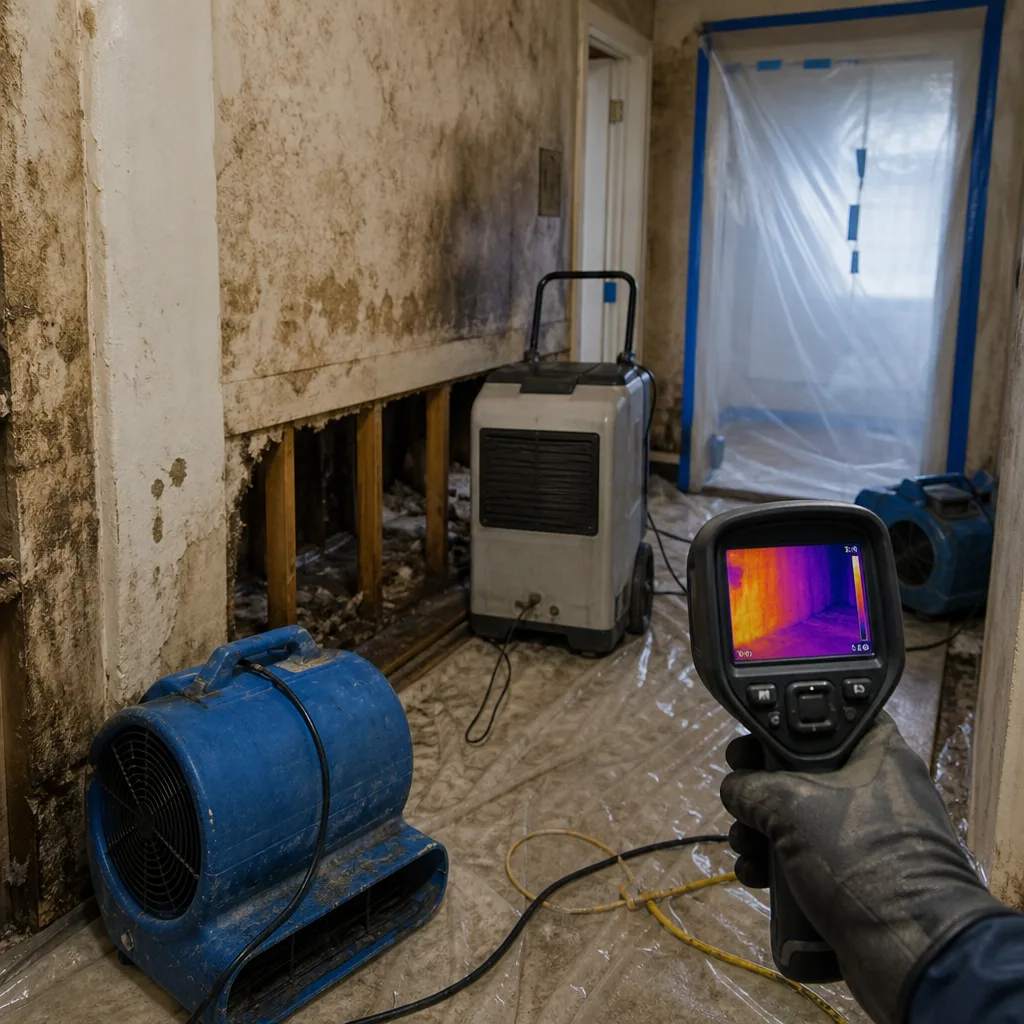 Before
 After
After