
Last updated October 16, 2026
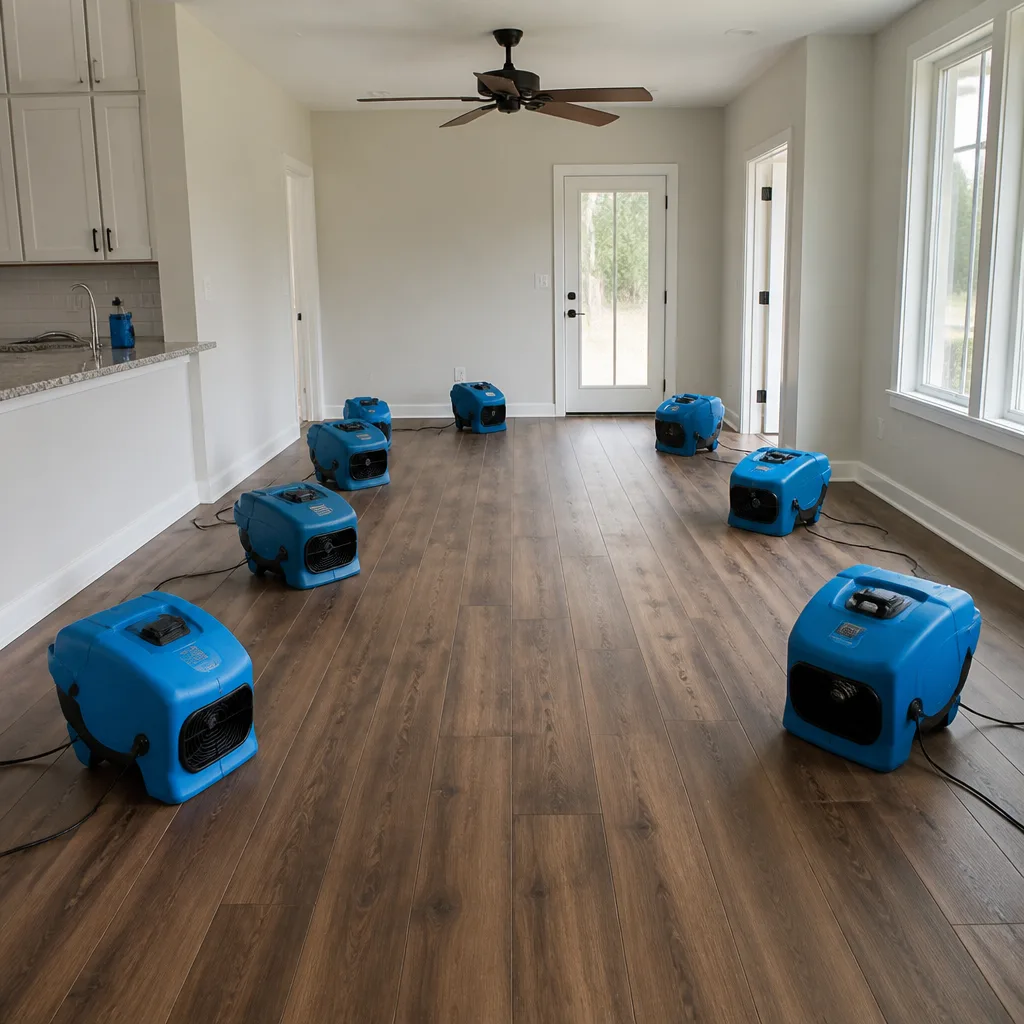 Water damage drying
 Fire & smoke cleanup
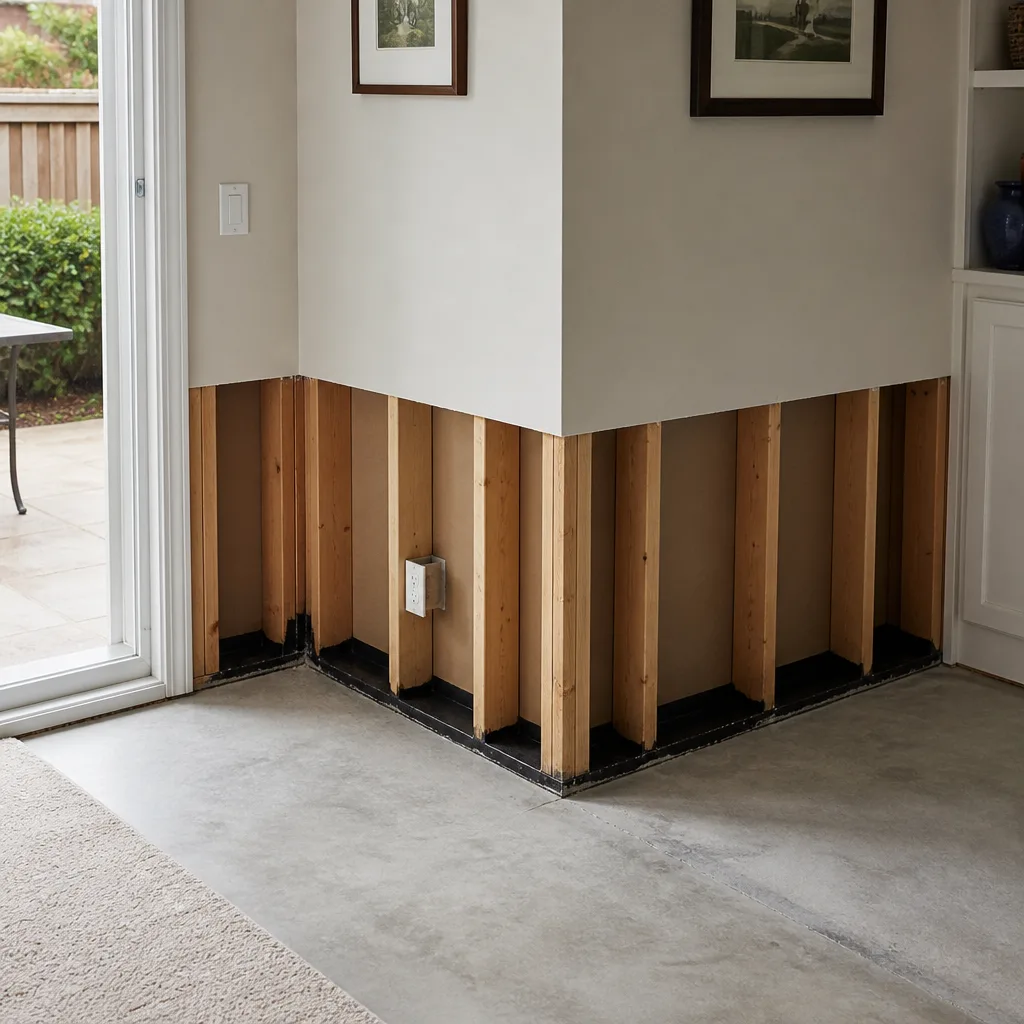 Mold remediation
 Storm response
 Sewage cleanup
 Reconstruction
Free visual inspection and a written scope of work before any mitigation begins - photos, moisture readings, and drying logs go in your claim file
The scope we write is the scope we bill. Anything new gets shown to you, in writing, before we touch it.
Get your free estimateHow to Hire a Damage Restoration Contractor in Tampa: A Step-by-Step Guide
Florida leads the nation in Assignment of Benefits abuse cases, and the Tampa Bay metro area is consistently one of the top three regions where restoration contractors use emergency panic to get homeowners to sign away their insurance claim rights before a single fan gets plugged in. If your kitchen is under two inches of water or a bedroom wall is blooming with mold, you’re not in a calm research mindset. That is exactly when a certain kind of contractor wants you to sign. This guide walks you through hiring a damage restoration contractor in Tampa as what it actually is: a contract literacy exercise. You’ll learn what to verify, what to refuse, and what a legitimate Water Damage Restoration in Tampa process should look like from the first phone call to the final walkthrough.
Restoration work we handle
Quick Answer
To hire a damage restoration contractor in Tampa, verify their Florida license on the DBPR database, confirm they carry general liability and workers’ compensation insurance, ask for a written not-to-exceed price before any work begins, and refuse to sign any document containing an Assignment of Benefits clause without first talking to your insurance company. For a broader overview, see our Complete Guide to Damage Restoration in Tampa. A legitimate contractor will explain their drying protocol in specific terms, answer your calls with a live person, and never pressure you to sign anything on the spot during an emergency.
Table of Contents
- The Assignment of Benefits Trap: What It Is and How to Spot It
- Florida License Types: What a Legitimate Tampa Contractor Must Hold
- Written Price vs. Written Estimate: Why the Wording Changes Everything
- Vetting a Contractor on the First Phone Call: Three Questions That Reveal Everything
- Red Flags Specific to the Tampa Market
- Insurance, Photos, and Your Adjuster: How a Good Contractor Handles the Paperwork
- The Hiring Process, Step by Step
- Common Mistakes to Avoid
- When to Call a Professional
- Frequently Asked Questions
- The Bottom Line
The Assignment of Benefits Trap: What It Is and How to Spot It
An Assignment of Benefits, called an AOB in Florida insurance circles, is a clause buried inside a service agreement that transfers your insurance claim rights to the contractor. Once you sign it, the contractor can bill your insurance company directly, negotiate the claim, and even sue your insurer if they think the payout was too low. You, the homeowner, become a bystander in your own claim. The contractor can inflate the invoice, and your insurer can deny it, leaving you caught in the middle of a dispute you did not start.
Tampa has been ground zero for AOB abuse since roughly 2012. It works like this: a pipe bursts at 2 a.m. in Seminole Heights. You call the first number that answers. A crew shows up within the hour with a clipboard and a sympathetic tone. They tell you not to worry about payment, that they’ll “work directly with your insurance.” What they hand you is not just a work authorization. It’s an AOB. By morning, your claim is no longer yours.
How to spot an AOB even when the words “Assignment of Benefits” never appear:
- Any language that says the contractor has the “right to bill insurance directly” or “act on homeowner’s behalf in all insurance matters.”
- Phrases like “direct payment authorization,” “insurance proceeds assignment,” or “authorization to communicate with insurer.”
- A clause that says the contractor may “negotiate, settle, or endorse any check or draft” from your insurance company.
- Any document that asks for your policy number, claim number, and signature in the same breath as a work order.
- Language that grants the contractor “power of attorney” for the claim, even in a limited capacity.
The safest position: do not sign an AOB at all. Florida law gives you the right to refuse it, and your insurance company will typically still pay a legitimate claim directly to you. If a contractor says they will not start work without an AOB, that is your cue to call someone else. In the Tidemark Water Damage Tampa home approach, we never ask a homeowner to sign over their claim. We document the damage, you keep your rights, and we give you a written price before any equipment enters the house.
Florida License Types: What a Legitimate Tampa Contractor Must Hold
Florida licenses restoration work through the Department of Business and Professional Regulation, or DBPR. A legitimate damage restoration contractor in Tampa will hold specific licenses depending on the scope of work. Here is what to ask for and how to verify it.
The five license types you may encounter:
- Certified General Contractor (CGC) or Certified Building Contractor (CBC) – Required for structural repairs, rebuilds, and any work that goes beyond mitigation. A restoration company performing reconstruction must have this.
- Certified Residential Contractor (CRC) – Covers residential remodeling and repair. Some restoration companies operate under this license for rebuild work.
- Mold Remediation License (MRSR) – Florida is one of the few states that requires a specific license for mold remediation work. Any company that removes mold beyond a small patch (less than 10 square feet) must hold this DBPR-issued license.
- Mold Assessor License (MRSA) – Held by the person who tests and assesses mold. A remediation company should not also be your assessor. That creates a conflict of interest. The assessor who confirms the mold is present should not be the same person paid to remove it.
- Registered Contractor License – Similar to certified licenses but limited to specific local jurisdictions. In Tampa, a registered contractor may work in the city but not across certain county lines.
Verifying any of these takes under three minutes. Go to the DBPR website, click “Verify a License,” and search by company name or license number. You want to see an “Active” status, no disciplinary actions on file, and a name that matches the company on the contract. If the contractor hands you a license number that belongs to someone else, walk away. If they change the subject when you ask, walk away faster.
Beyond state licenses, look for industry credentials that signal training rather than just permitting. The IICRC sets the standard for water damage restoration certification. RIA membership shows a commitment to restoration industry education. IFA credentials are specific to flooring and drying. These certifications don’t replace a state license, but they do tell you the technicians showing up at your door in Tampa have trained on current drying science rather than learning on your living room floor.
Written Price vs. Written Estimate: Why the Wording Changes Everything
The word “estimate” has a legal looseness to it. An estimate is an approximation. A contractor can hand you an estimate for $6,500, run the job to $14,000, and point at the word “estimate” on page one when you object. This happens constantly in Tampa’s post-storm season, when out-of-state crews work the insurance market and count on homeowners being too overwhelmed to read the fine print. Our Seasonal Damage Restoration Care for Tampa: Year-Round Homeowner’s Guide explains how to prepare for these cycles.
A written price is different. It is a not-to-exceed scope of work. It says what will be done, what materials will be used, how many pieces of equipment will be placed, how long they will run, and what the final number is. If the scope changes, it changes in writing, with your signature, before the new work begins. Not after.
Here is what a legitimate written price includes:
- A room-by-room scope of work with square footage for each affected area.
- The number and type of drying equipment to be placed, including make and model or at minimum equipment class.
- The expected drying time in days, with monitoring intervals stated.
- A line-item breakdown separating mitigation from reconstruction, if both are needed.
- The not-to-exceed total, with a statement that any increase requires written homeowner approval.
- Exclusions: what is not covered, stated explicitly.
What a written price does not include is ambiguity. If the document says “additional work as needed” without defining how that gets approved and priced, it is an open-ended authorization wearing a costume. Ask the contractor to strike that language and replace it with a written change-order process. If they refuse, that tells you something.
At Tidemark Water Damage Tampa, the written price is non-negotiable as a practice. Rick Sumner built the company around the Cedarwell Care Promise standard: the number is on paper before a tool comes off the truck. You agree to it. Then work starts. That is how it should work everywhere.
Vetting a Contractor on the First Phone Call: Three Questions That Reveal Everything
You can learn more about a restoration contractor in five minutes on the phone than in an hour of reading their website. The key is asking questions that require specific, technical answers. Vague answers mean vague processes. Vague processes mean a house that gets “dried” without ever actually being dried, which leads to mold behind baseboards six months later in a Davis Islands home or a Westchase townhouse.
Here are the three questions to ask, and what a competent answer sounds like:
Question 1: “How many pieces of drying equipment will you place in a 200-square-foot room with water damage, and where will they go?”
A competent answer mentions numbers and placement logic. Something like: “In a 200-square-foot room, we’d typically place two to three air movers positioned to create circular airflow, one dehumidifier sized to the room’s cubic footage, and we’d cut airflow channels in the baseboards using Injectidry or a similar system if the wall cavity is wet.” A Dri-Eaz or Phoenix-trained technician can answer this in their sleep. A storm-chaser who just bought a truck and some box fans will say something like “however many it takes” or “we’ll figure that out when we get there.” That is not an answer. That is a warning.
Question 2: “How often will you log moisture readings, and what instrument do you use?”
The industry standard is daily moisture logs, taken with a moisture meter, documenting both the moisture content of materials and the relative humidity of the air. A proper answer names the instrument type, not just “a meter.” You want to hear about non-invasive moisture meters for materials, thermal hygrometers for air conditions, and a daily log that gets shared with you and your adjuster. If the contractor says they check moisture “when needed” or “eyes on it is good enough,” they are not following IICRC drying standards.
Question 3: “When will you say the job is dry, and how do you decide that?”
A competent answer references drying goals and specific targets. Materials should return to their dry standard, which for most wood in a Tampa climate is around 8-12 percent moisture content, and readings should hold for 48 hours after equipment is pulled. The answer should include the phrase “dry standard” or “dry goal” and a commitment to document final readings. If the contractor says the job is done when your adjuster approves the invoice, that is a red flag wearing a trench coat.
These three questions do more than vet technical competence. They signal to the contractor that you know what a legitimate drying protocol looks like. Contractors who use high-end equipment from brands like Phoenix and B-Air are not threatened by these questions. They welcome them. Contractors who were going to half-dry your house and hope for the best suddenly remember they have another call to take.
Red Flags Specific to the Tampa Market
Tampa’s restoration market has its own particular pathologies. Knowing them before you call anyone will save you from being a cautionary tale.
Here are the red flags we see most often, specific to this city:
Out-of-state storm chasers. After any significant storm, contractors from Texas, Louisiana, and the Midwest flood into Tampa looking for quick insurance work. They set up in hotel parking lots, print flyers at a FedEx on Dale Mabry, and disappear before your claim is even processed. Ask for a local business address. Then drive by it. If it’s a P.O. box or a strip-mall suite that looks abandoned, proceed with extreme caution.
Contractors who call your insurer before you do. A legitimate contractor will ask if you’ve filed a claim and offer guidance if you haven’t. A contractor who grabs your policy number in the first call and says “we’ll handle your insurance for you” is prepping an AOB or a padded invoice. Your insurer is your ally until a bad contractor turns them into your adversary. Keep control of your own claim.
Bids that arrive before equipment does. In Tampa, a restoration company that sends a bidder to your house before a technician is normal. A company that sends a closer with a tablet and a signature-ready contract before anyone has even looked at the water damage is not. Moisture travels. The scope of work depends on where the water went, which requires inspection with moisture meters and thermal imaging, not a clipboard and a sales script. Any price quoted before an inspection is a guess, and you should treat it as one.
The “free inspection, expensive surprise” model. Some Tampa restoration contractors offer a free mold inspection, then “find” mold everywhere and hand you a five-figure remediation quote. This is especially prevalent in older Tampa neighborhoods like Seminole Heights and Tampa Heights, where pre-1970s construction makes some moisture presence nearly universal. A free inspection from a company that only does remediation is not an inspection. It’s a lead generation funnel. If you want an honest assessment, hire an independent mold assessor who is paid separately from the remediation.
Pressure to sign on the spot. Water damage is urgent. Mold growth can begin in 24-48 hours in Tampa’s humidity. A good contractor will tell you that and then give you the information you need to make a decision without a gun to your head. A bad contractor will tell you that and then hold a pen out. The urgency is real. The pressure tactic is a choice. A contractor who insists you sign right now, before you’ve called your insurer or gotten a second opinion, is choosing the pressure. Do not reward that choice.
Insurance, Photos, and Your Adjuster: How a Good Contractor Handles the Paperwork
Insurance is in the room on every restoration job in Tampa, whether you’ve filed a claim yet or not. A good contractor understands this and works with your adjuster as a partner in documenting the loss, not as an adversary to be negotiated against. A bad contractor sees your adjuster as an obstacle to a bigger payout.
Here is what good looks like:
- Photo documentation from minute one. Before any equipment is placed, before any drywall is cut, a thorough photo set should capture the full extent of visible damage. This includes wide shots of each affected room, close-ups of water lines, moisture meter readings in frame, and the condition of floors and baseboards. At Tidemark, a photo of the clean-up is taken and shared before the crew leaves, so you see exactly what was done and how the house was left.
- Direct communication with your adjuster. A good contractor will talk to your adjuster, share moisture logs, and explain why specific equipment or procedures are necessary. They will copy you on correspondence. You should never feel like the contractor and adjuster are having a conversation you’re not invited to.
- Written scope that the adjuster can review. Your insurance company needs to see what was done and why. A clear, itemized scope with before-and-after photos and daily drying logs is what gets a claim paid. Contractors who resist providing this documentation usually have a reason that has nothing to do with efficiency.
- A clear separation between mitigation and reconstruction. Mitigation is stopping the damage: extraction, drying, antimicrobial application. Reconstruction is rebuilding: drywall, flooring, paint. These are billed differently, covered differently, and often require different licenses. A good contractor clearly separates them in writing.
In our experience, the single biggest trust unlock with homeowners in Tampa is documentation. Show the photos. Explain the moisture readings. Translate the scope into plain English. When a contractor invites you into the documentation process rather than hiding behind jargon, the whole job feels different.
The Hiring Process, Step by Step
Here is the entire hiring process, start to finish, in the order it should happen:
- Stop the source of water, if possible and safe. Shut off the main water valve if a pipe has burst. If the water is from sewage backup or you cannot identify the source, do not wade into it. Call a professional from a safe, dry spot.
- Call your insurance company. Report the loss. Ask what your policy covers, what your deductible is, and whether they have preferred contractors in Tampa. You are not obligated to use their preferred list, but the call itself starts your claim and protects your interests.
- Take your own photos. Before anyone moves anything, photograph the damage from every angle. These photos are your baseline documentation, independent of any contractor.
- Call contractors. Call at least two, preferably three. Ask the three vetting questions from the section above. Note who answers the phone with a live person and who sends you to voicemail.
- Verify licenses. For each contractor, check the DBPR website. Write down license numbers and status. Three minutes per company is cheap insurance.
- Get the written price. Before any work starts, get the not-to-exceed scope in writing. Read it. If there’s an AOB clause, refuse it or call your insurer and ask what they think. Then decide.
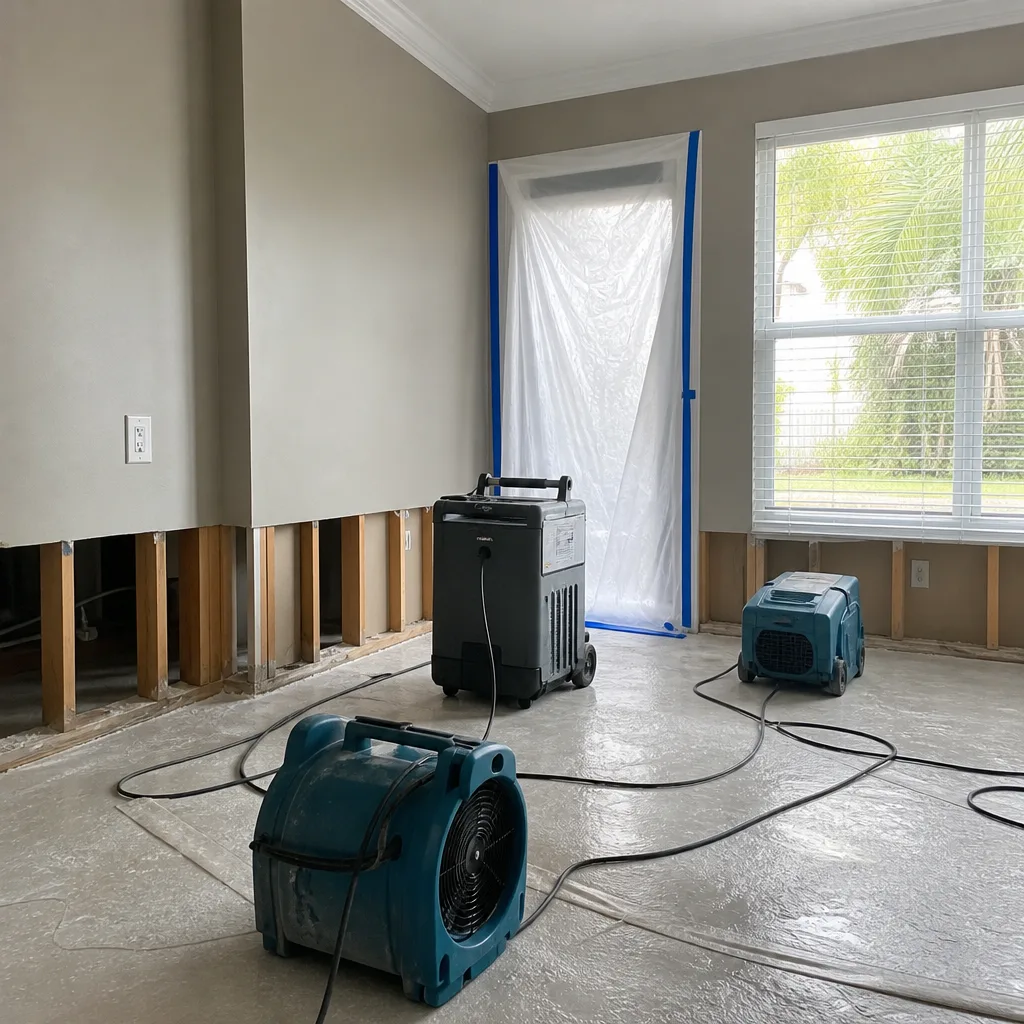
- Inspect the crew when they arrive. They should be uniformed, able to show ID or certification, and wearing shoe covers from the moment they step inside. Drop cloths should cover floors and pathways before equipment comes in.
- Monitor the process. Ask for daily moisture logs. Compare what’s happening in your house to what the written scope promised. Ask questions if something changes.
- Get the clean-up photo. The crew should show you, in writing or by photo, that the work area is cleaned and returned to a safe condition before they leave.
- Keep every document. Contract, change orders, moisture logs, photos, insurance correspondence. Put it all in one folder. If there’s a dispute later, this folder is your best friend.
Common Mistakes to Avoid
- Signing an AOB without reading it. This is the big one. It transfers your claim rights and can leave you fighting a lawsuit you never wanted.
- Hiring the first contractor who answers. Urgency is real, but three quick phone calls and two DBPR checks take under an hour. That hour can save you months of problems.
- Accepting a verbal price. In Tampa’s humid climate, drying jobs often grow as moisture readings reveal hidden saturation. A verbal price is no price. Get it in writing.
- Skipping the mold assessor. If mold is visible or suspected, an independent assessment protects you from remediation companies that find mold because they sell mold removal. Pay the assessor separately.
- Ignoring the license verification. The DBPR database is public and free. Companies that operate without proper licensing in Florida face significant penalties, but that doesn’t help you after the fact.
- Letting the contractor talk to your insurer without you. You should be on every call or copied on every email. Your claim is your asset. Treat it that way.
- Thinking all water damage is covered by insurance. Sudden and accidental water damage is typically covered. Gradual leaks, poor maintenance, and flood damage from rising water are often excluded. Know your policy before you need it.
When to Call a Professional
You should call a professional restoration contractor in Tampa when the water is beyond what towels and a shop vacuum can handle. That means standing water in multiple rooms, water that has been present for more than a few hours, water that has soaked into drywall or flooring, any water from sewage or outside flooding, or any time you see visible mold growth larger than a dinner plate. You should also call after a fire, even a small one, because smoke residue travels further than flames do and requires professional equipment to remove properly. If the water has been sitting overnight in Tampa’s humidity, mold growth has likely already begun. Tidemark Water Damage Tampa offers free estimates in Tampa. Call (850) 828-8896 and a live person will answer, any hour of the day or night.
Frequently Asked Questions
Water damage restoration in Tampa typically costs between $1,500 and $8,000 depending on the extent of the damage, the square footage affected, and whether the water reached wall cavities or subflooring. Simple extraction and drying in a single room may run $1,500 to $3,000, while whole-house flooding from a burst pipe can exceed $8,000 when reconstruction is included. Call (850) 828-8896 for an exact written price, free of charge.
An Assignment of Benefits is a document that transfers your insurance claim rights to a contractor, allowing them to bill your insurer directly and negotiate the claim without your involvement. It becomes dangerous when a contractor inflates the claim, your insurer denies it, and you are left responsible for the difference while the contractor sues your insurance company in your name. Never sign an AOB without talking to your insurer first.
A restoration contractor with live 24/7 dispatch should be able to reach your home in Tampa within 60 to 90 minutes for water emergencies, depending on your location and current demand. Mitigation work like water extraction and drying should begin the same day you call. Reconstruction work, by contrast, is scheduled after the drying is complete and the scope is agreed upon in writing, which can take days or weeks depending on permit requirements.
Sudden and accidental water damage is typically covered by standard homeowners insurance in Florida, but gradual leaks, poor maintenance, and flood damage from rising water are usually excluded. Your specific coverage depends on your policy, your deductible, and whether you have a separate flood insurance policy. A good restoration contractor will work directly with your adjuster and provide the photo documentation and moisture logs your claim needs, call (850) 828-8896 to get the process started.
In Florida, any mold remediation job larger than 10 square feet requires a specific DBPR mold remediation license. A general contractor without this license is not legally authorized to perform mold removal. If you have visible mold or suspect mold after water damage, you need a licensed mold remediation company, and ideally a separate mold assessor to confirm the scope of the problem before remediation starts. Mold Remediation in Tampa by properly credentialed technicians is the only legal and safe approach.
Ask how many pieces of drying equipment they will place for a given room size, how often they log moisture readings and what instruments they use, whether they provide a written not-to-exceed price before work begins, whether they hold the proper Florida licenses, and whether they use an Assignment of Benefits in their service agreement. Our Water Damage Restoration Maintenance Checklist for Tampa Homeowners covers these points in detail. A contractor who answers these questions specifically and willingly is likely a legitimate operator.
In Tampa’s humid climate, the drying process typically takes three to five days for most water damage events, though saturated structural materials can take up to seven days or longer depending on factors like wall cavity depth, flooring type, and daily humidity levels. Equipment from manufacturers like Dri-Eaz and Phoenix is built to handle high-humidity conditions, but daily monitoring is essential because Tampa’s ambient moisture works against the drying process.
The Bottom Line
Hiring a damage restoration contractor in Tampa comes down to protecting two things: your home and your insurance claim. Verify the Florida license on the DBPR database, require a written not-to-exceed price before work begins, refuse any Assignment of Benefits until you’ve talked to your insurer, and ask the three drying protocol questions that separate trained professionals from storm-chasers. A legitimate contractor will welcome your questions, document everything, and leave your house cleaner than they found it. For Fire Damage Restoration in Tampa or any water emergency, call (850) 828-8896 and a live person will answer. If the job is not done right, the 365-Day Done Right Promise means we make it right. That’s the standard Tampa homeowners deserve.
Written by Rick Sumner, Owner at Tidemark Water Damage Tampa, serving Tampa since 2006. Explore more guides & resources on our blog.
See the difference
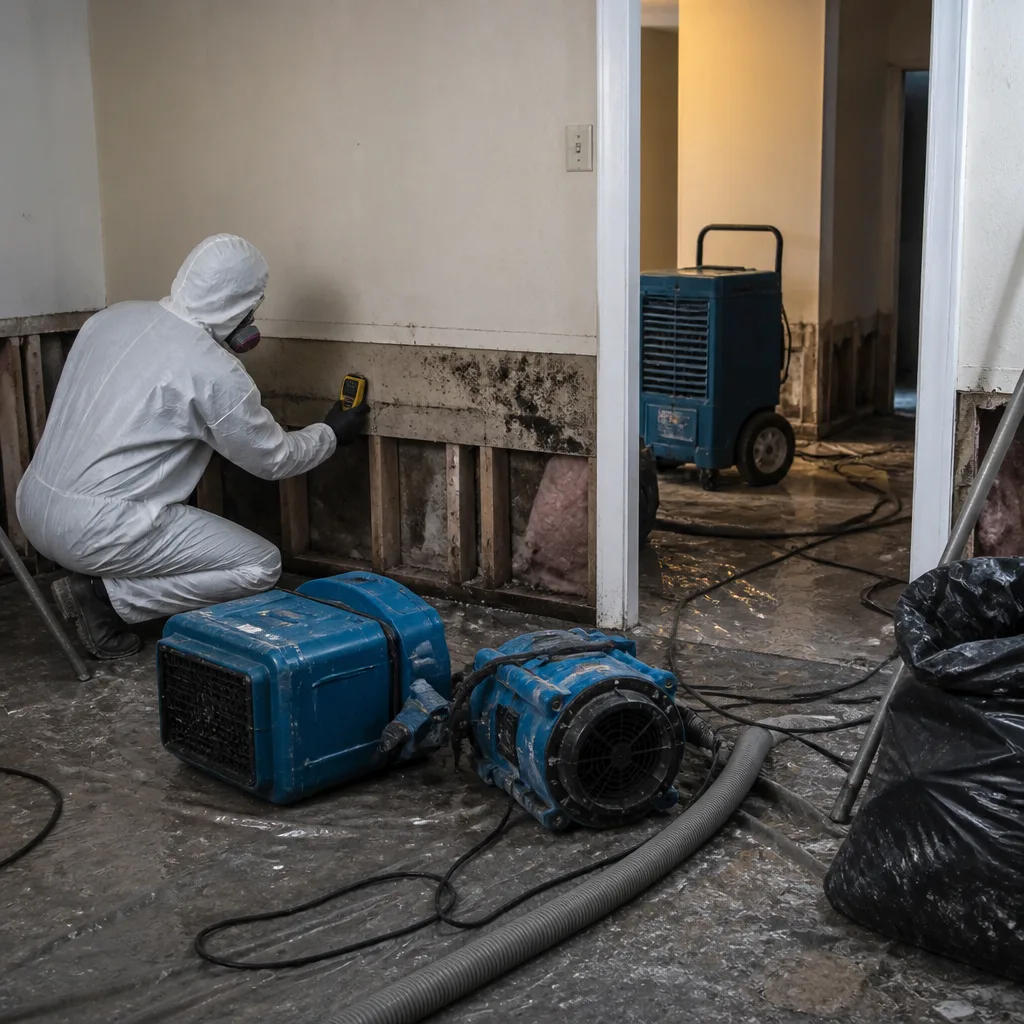 Before
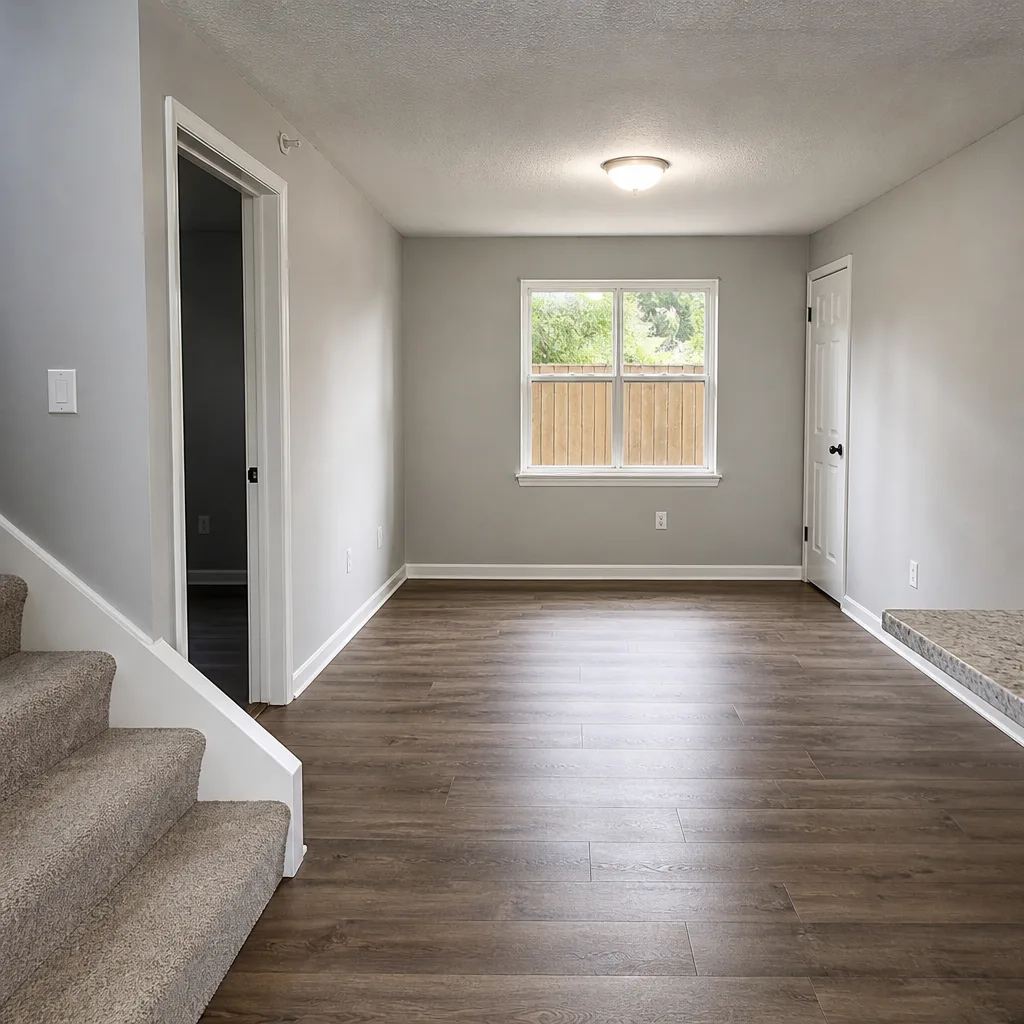 After
After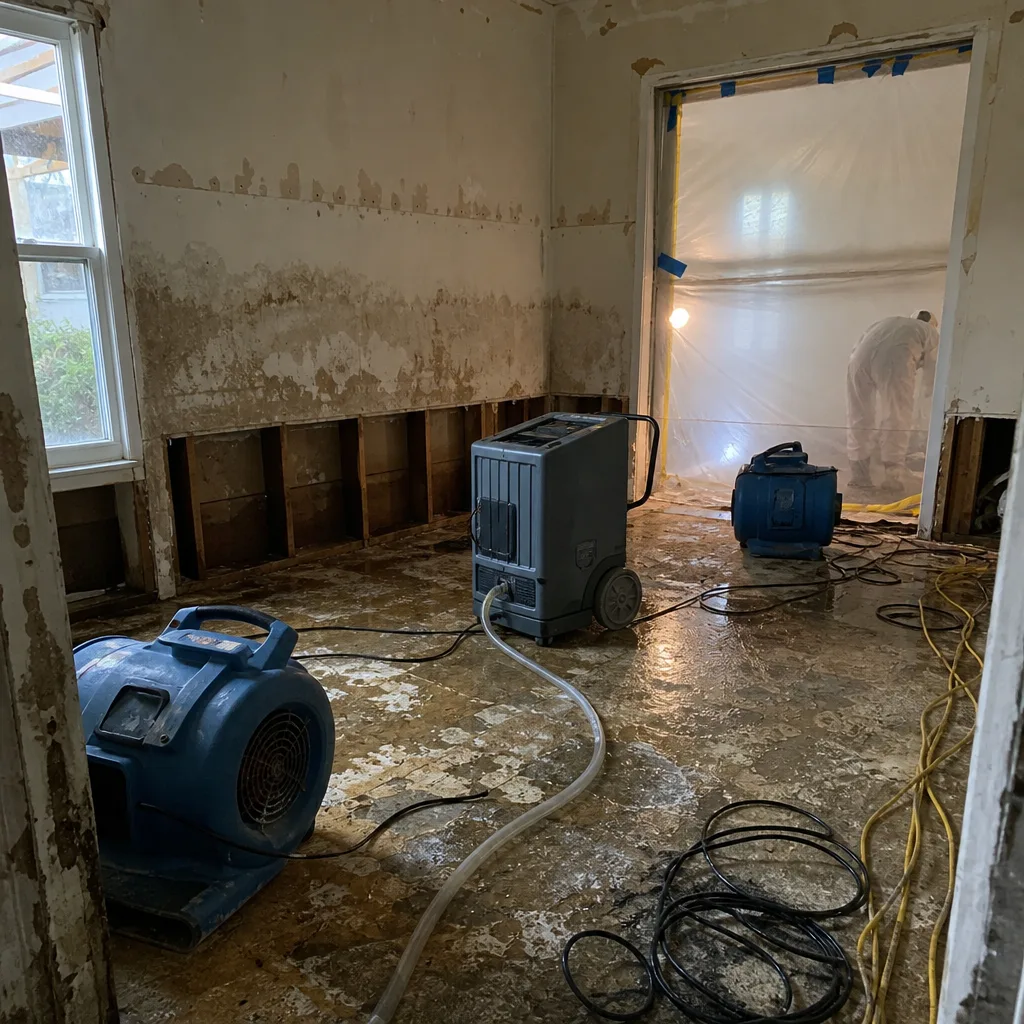 Before
 After
After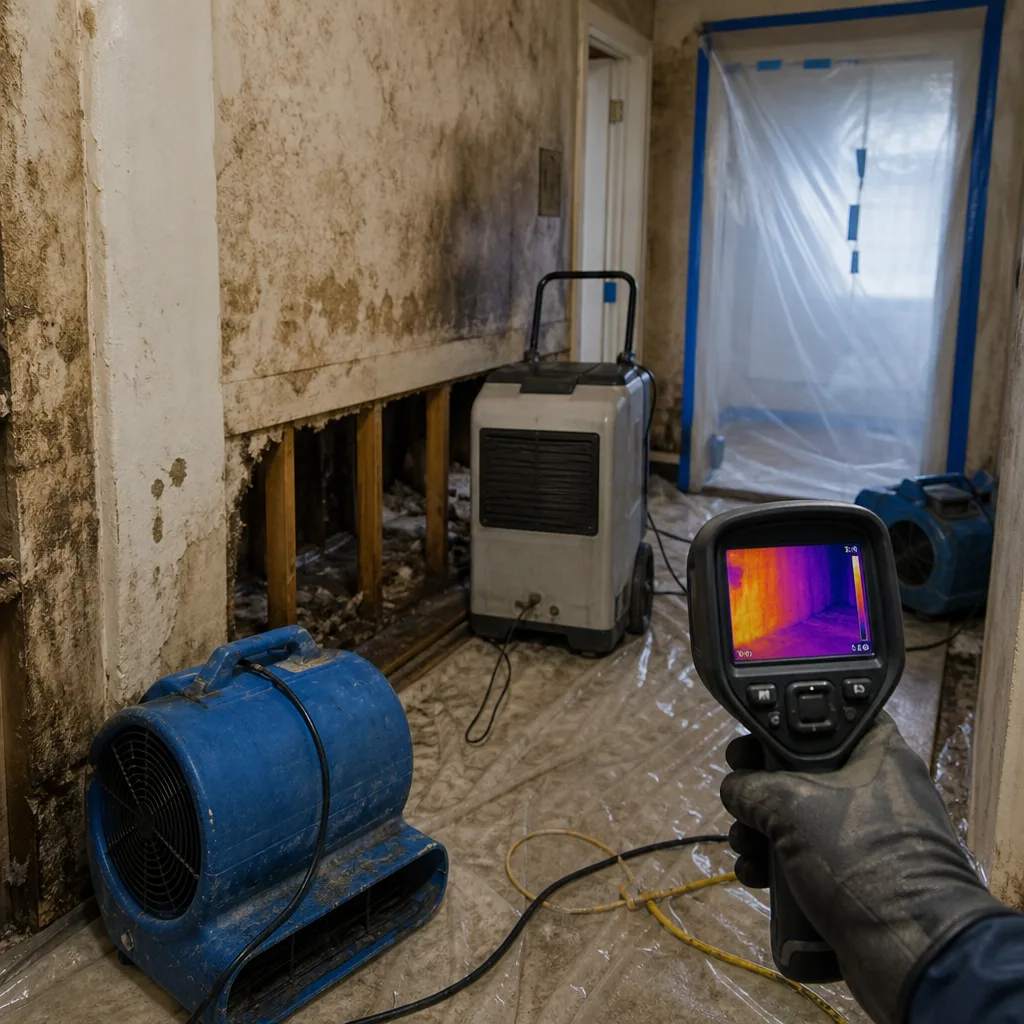 Before
 After
After